

Why Do They Call the Police 12? Origin, Spread & More
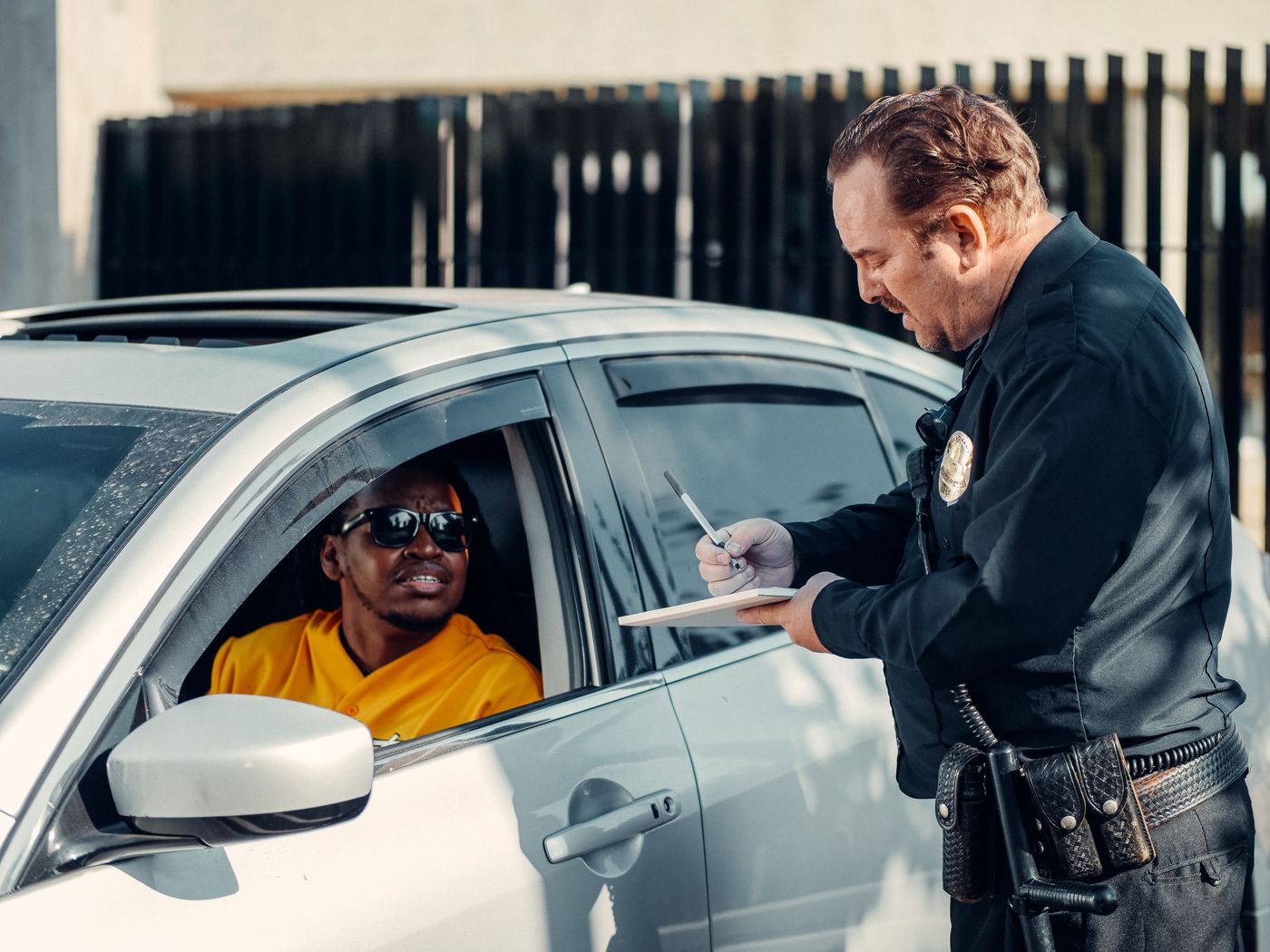 The word “12” is informal slang, not the name of one national police unit Photo via Pexels.
“12” is contemporary American slang for the police or for police who are nearby. It can appear as a warning—“12 is here”—or in an anti-police phrase. The meaning is widely understood in some communities, particularly through hip-hop and social media, but the origin is not established with the certainty often claimed by short internet explanations.
Three stories circulate most often. One links the term to the television police drama Adam-12, which aired from 1968 to 1975 and followed an LAPD patrol unit identified by the call sign “1-Adam-12.” Another links it to “10-12” or other radio codes, although radio codes are not standardized nationwide and the claimed meaning changes by agency. A third treats “12” as regional slang associated with narcotics enforcement or Atlanta street speech that later moved into national music culture.
These theories are not mutually exclusive. A familiar television number can make a regional expression easier to remember; a local radio-code story can be attached later; music can then spread the term far beyond the place where it was first common. Etymology often becomes difficult when a spoken expression circulates for years before newspapers, dictionaries, or academic researchers document it.
This article separates present-day meaning from origin claims, explains the strongest and weakest evidence, follows the term’s spread through Southern hip-hop and internet culture, and shows how to use or interpret “12” without confusing slang with an official police code.
Accuracy note: No single origin theory is conclusively documented. The careful answer is that “12” means police, the Adam-12 connection is plausible and culturally memorable, radio-code explanations are weakened by local variation, and hip-hop—especially Southern and Atlanta-based music—played a major role in national spread.
Quick Answer
“12” is slang for police. The exact origin is disputed. The Adam-12 television theory is popular because the show made “12” part of a famous patrol call sign. The radio-code theory is possible in some local contexts but cannot explain the term nationally because codes differ. By the 1990s and 2000s, regional street speech and Southern hip-hop helped spread “12,” and social media made it familiar to younger audiences nationwide.
Part 1: Understand the Meaning Before the History
1. Define what “12” means today
What to do: Interpret “12” as an informal reference to police, law enforcement, or the warning that officers are nearby. Context determines whether the speaker is being neutral, humorous, fearful, oppositional, or simply quoting music.
Why it matters: Modern meaning can become stable even when historical origin remains uncertain. Speakers do not need to know the etymology for the slang to function.
Apply it carefully: Do not assume every use refers specifically to the DEA, narcotics officers, or one department unless the surrounding conversation makes that clear.
Practical standard: Slang rarely has one documented inventor. Separate what the expression means today from the competing stories about where it began, and do not present a popular internet theory as a proven historical fact.
2. Separate slang from official police codes
What to do: Treat the expression as street and popular-culture language, not as a universal dispatch code. Agencies choose their own ten-codes, plain-language systems, call signs, and unit numbering.
Why it matters: A number that means one thing in one department can mean something entirely different elsewhere. This variation makes nationwide code explanations difficult to prove.
Apply it carefully: Do not tell readers that “10-12 means police are present everywhere.” Verify any code against the specific agency that uses it.
Practical standard: Radio codes vary among agencies, so a code used in one jurisdiction is weak evidence for a nationwide slang origin. Media, music, regional speech, and social networks can spread a term even when its original source is uncertain.
3. Notice how the phrase is used grammatically
What to do: People may say “the 12,” “12 is coming,” “watch for 12,” or combine the number with a protest slogan. It behaves as a collective noun for police rather than the number of officers.
Why it matters: Usage patterns help distinguish the slang from an address, age, jury, grade level, or clock reference.
Apply it carefully: In formal settings, replace slang with “police,” “officer,” or the agency name to avoid ambiguity.
Practical standard: Use the term with awareness of audience and context. A word that functions as casual slang among friends may sound hostile, confusing, or disrespectful in a formal report, courtroom, workplace, or direct police interaction.
4. Recognize regional and generational differences
What to do: Expect familiarity to vary by age, location, music exposure, and community. Some speakers grew up with “five-O” or “the cops” and learned “12” only through later songs or social media.
Why it matters: Slang spreads unevenly. A term can be old in one city and appear new nationally decades later.
Apply it carefully: Do not describe the term as invented by Gen Z merely because it became visible on a newer platform.
Practical standard: Slang rarely has one documented inventor. Separate what the expression means today from the competing stories about where it began, and do not present a popular internet theory as a proven historical fact.
Part 2: Examine the Competing Origin Theories
 Police codes and unit numbers vary by agency, which complicates simple origin stories Photo via Pexels.
5. Evaluate the Adam-12 theory
What to do: The television show Adam-12 used the call sign “1-Adam-12” for its central patrol car and reached a large national audience. The simple, memorable number gives the theory intuitive appeal.
Why it matters: Popular television has created other police nicknames, including the association of “five-O” with Hawaii Five-O. This makes media influence plausible.
Apply it carefully: Plausibility is not proof that today’s slang descends directly from the show. A dated chain of usage would be needed to establish that confidently.
Practical standard: Radio codes vary among agencies, so a code used in one jurisdiction is weak evidence for a nationwide slang origin. Media, music, regional speech, and social networks can spread a term even when its original source is uncertain.
6. Understand what the Adam call sign meant
What to do: In LAPD-style phonetic usage, “Adam” identified a two-officer patrol unit, while the numbers identified division and unit. “12” was a car designation inside the show’s call sign, not a national code meaning police.
Why it matters: The real structure of the call sign explains why viewers heard “Adam-12” repeatedly, but it does not by itself show when communities shortened it to “12.”
Apply it carefully: Avoid rewriting the call sign as a secret code or claiming every police car numbered 12 had the same meaning.
Practical standard: Use the term with awareness of audience and context. A word that functions as casual slang among friends may sound hostile, confusing, or disrespectful in a formal report, courtroom, workplace, or direct police interaction.
7. Test the 10-12 radio-code theory
What to do: Search dated agency manuals before accepting a radio-code explanation. “10-12” has been reported with meanings such as visitors present, stand by, or other local messages, depending on the system.
Why it matters: Lack of standardization means the theory may explain a local association but is unlikely to prove one nationwide origin.
Apply it carefully: Online lists frequently copy one another without identifying the department, year, or source document.
Practical standard: Slang rarely has one documented inventor. Separate what the expression means today from the competing stories about where it began, and do not present a popular internet theory as a proven historical fact.
8. Consider narcotics-unit and regional theories
What to do: Some speakers use “12” in contexts associated with drug enforcement, while others recall it simply as local Atlanta or Southern slang. Oral histories may preserve genuine regional use even when the first printed source is later.
Why it matters: Street language often develops within networks that are poorly represented in traditional archives, so absence from newspapers does not prove absence from speech.
Apply it carefully: Present these accounts as community explanations rather than settled documentary history.
Practical standard: Radio codes vary among agencies, so a code used in one jurisdiction is weak evidence for a nationwide slang origin. Media, music, regional speech, and social networks can spread a term even when its original source is uncertain.
Part 3: Follow the Term’s Cultural Spread
 Tracing slang requires comparing dated sources rather than repeating a popular explanation Photo via Pexels.
9. Track the role of Southern hip-hop
What to do: Hip-hop lyrics, mixtapes, performances, interviews, and fan discussion exposed national audiences to regional vocabulary. Repeated use made the meaning understandable from context even when listeners did not know an origin story.
Why it matters: Music is often a distribution channel rather than proof of invention. An artist can popularize language that already circulated locally.
Apply it carefully: Avoid naming one song as the absolute first unless a comprehensive dated corpus supports that claim.
Practical standard: Use the term with awareness of audience and context. A word that functions as casual slang among friends may sound hostile, confusing, or disrespectful in a formal report, courtroom, workplace, or direct police interaction.
10. Distinguish popularity from first use
What to do: Look for the earliest documented examples, but recognize that the first searchable lyric, tweet, or article may only be the first surviving digital record.
Why it matters: Spoken slang can precede searchable publication by years or decades. Archives favor commercial releases and mainstream media over everyday speech.
Apply it carefully: Use language such as “documented by,” “popularized through,” and “widely visible by,” rather than “invented in.”
Practical standard: Slang rarely has one documented inventor. Separate what the expression means today from the competing stories about where it began, and do not present a popular internet theory as a proven historical fact.
11. Explain how social media accelerated the spread
What to do: Short videos, memes, hashtags, captions, and reaction clips detached “12” from its original region and introduced it to audiences who encountered the term as a ready-made synonym for police.
Why it matters: Platforms amplify language through repetition and imitation, often stripping away context and creating new folk explanations.
Apply it carefully: A viral explanation may be newer than the slang itself. Check dates before citing it as history.
Practical standard: Radio codes vary among agencies, so a code used in one jurisdiction is weak evidence for a nationwide slang origin. Media, music, regional speech, and social networks can spread a term even when its original source is uncertain.
12. Compare “12” with “five-O” and “po-po”
What to do: Place the term within a larger family of police slang. “Five-O” has a strong television association, while “po-po” reflects playful repetition of “police.” Different terms can coexist and signal age, place, tone, or cultural affiliation.
Why it matters: Comparison shows why media-based etymologies feel believable and how concise warning terms survive.
Apply it carefully: Do not assume all nicknames carry the same level of hostility or are acceptable in every audience.
Practical standard: Use the term with awareness of audience and context. A word that functions as casual slang among friends may sound hostile, confusing, or disrespectful in a formal report, courtroom, workplace, or direct police interaction.
Part 4: Use the Term Accurately and Responsibly
 Language spreads through communities, music, television, news, and social media Photo via Pexels.
13. Avoid claiming certainty where evidence is thin
What to do: Write that the origin is disputed and rank theories by evidence. Identify whether a source is a dictionary, historian, media article, community recollection, lyric archive, or unsourced repost.
Why it matters: Transparent uncertainty is stronger than a confident but unsupported story. It lets readers understand why multiple explanations persist.
Apply it carefully: Do not fill a missing source trail with invented dates, fictional radio manuals, or false quotes.
Practical standard: Slang rarely has one documented inventor. Separate what the expression means today from the competing stories about where it began, and do not present a popular internet theory as a proven historical fact.
14. Translate slang in formal writing
What to do: When quoting “12” in journalism, research, legal documents, or education, define it the first time and preserve the speaker’s tone without treating the term as official vocabulary.
Why it matters: Readers outside the community may otherwise misinterpret the number.
Apply it carefully: Avoid using slang in an emergency call or report when the agency name or “police” would be clearer.
Practical standard: Radio codes vary among agencies, so a code used in one jurisdiction is weak evidence for a nationwide slang origin. Media, music, regional speech, and social networks can spread a term even when its original source is uncertain.
15. Consider tone and audience
What to do: Understand that some uses are casual and others express anger toward policing. A listener may experience the phrase as disrespectful even when a speaker views it as ordinary slang.
Why it matters: Context determines social meaning. Word choice can affect whether a conversation becomes clearer or more confrontational.
Apply it carefully: During a direct police encounter, prioritize precise, calm language over testing how an officer reacts to slang.
Practical standard: Use the term with awareness of audience and context. A word that functions as casual slang among friends may sound hostile, confusing, or disrespectful in a formal report, courtroom, workplace, or direct police interaction.
16. Keep updating the historical record
What to do: Use digitized newspapers, lyric databases, oral histories, television archives, slang dictionaries, and regional interviews to refine the timeline. Record the publication date and the date of the quoted usage separately.
Why it matters: Newly digitized material can move the earliest known example backward, which is normal in etymology.
Apply it carefully: Treat a future earlier citation as a correction, not as proof that previous researchers acted dishonestly.
Practical standard: Slang rarely has one documented inventor. Separate what the expression means today from the competing stories about where it began, and do not present a popular internet theory as a proven historical fact.
Detailed Planning Worksheets and Advanced Guidance
Deep Dive 1: Rank evidence by type and date
Purpose and context: Create four evidence levels: dated contemporary usage, documented oral history, later explanatory journalism, and unsourced internet repetition. A theory supported only by modern reposts should not outrank an older lyric, transcript, newspaper, or recording. This is most useful when written down before the situation becomes urgent, because stress reduces memory and makes people rely on habit.
Step-by-step method: For each source, record both when the source was created and when the quoted usage allegedly occurred. A 2026 article describing speech from the 1980s is not the same as an audio recording from the 1980s. Review the result for completeness, identify who has authority to act, and set a specific follow-up date instead of leaving the issue open-ended.
Example: A website says “12 definitely came from 10-12” but cites no department or manual. Place it in the explanation category, not the contemporary evidence category. The example is not a universal rule; it shows how to translate the principle into a small, observable action that another person can verify.
Risk control: Do not dismiss oral history simply because it was not printed, but label memory as memory and compare independent accounts. When facts, policy, or safety conditions change, stop and obtain updated instructions rather than forcing the original plan to fit.
Evidence practice: Preserve the distinction between documented use, plausible influence, regional memory, and later popular explanation. Uncertainty should be described, not hidden.
Deep Dive 2: Build a careful slang timeline
Purpose and context: Start with the broadcast period of Adam-12, then collect the earliest searchable regional references, music lyrics, interviews, dictionary entries, protest usage, and social-media examples. Mark gaps instead of filling them with assumptions. This is most useful when written down before the situation becomes urgent, because stress reduces memory and makes people rely on habit.
Step-by-step method: A good timeline distinguishes the first known document from the first possible spoken use and the later period of national popularity. It can show several streams converging without forcing one inventor. Review the result for completeness, identify who has authority to act, and set a specific follow-up date instead of leaving the issue open-ended.
Example: If a 1990s regional recording uses “12” and a 2000s national song spreads it, the earlier item supports local use while the later item supports popularization. The example is not a universal rule; it shows how to translate the principle into a small, observable action that another person can verify.
Risk control: Do not claim that a search engine’s oldest result is the first use; many archives remain undigitized or unindexed. When facts, policy, or safety conditions change, stop and obtain updated instructions rather than forcing the original plan to fit.
Evidence practice: Preserve the distinction between documented use, plausible influence, regional memory, and later popular explanation. Uncertainty should be described, not hidden.
Deep Dive 3: Test the Adam-12 explanation
Purpose and context: Ask what evidence would be expected if the television show were the source: viewers or speakers explicitly connecting the term, slang dictionaries noting the show, transitional forms such as “Adam-12,” or regional adoption following syndication. This is most useful when written down before the situation becomes urgent, because stress reduces memory and makes people rely on habit.
Step-by-step method: The theory benefits from cultural familiarity and comparison with “five-O,” but the missing link is a documented path from the program title to the modern warning term. Present that strength and weakness together. Review the result for completeness, identify who has authority to act, and set a specific follow-up date instead of leaving the issue open-ended.
Example: A writer can say, “The show is a plausible influence and the most memorable theory,” without saying, “The show definitely invented the slang.” The example is not a universal rule; it shows how to translate the principle into a small, observable action that another person can verify.
Risk control: Avoid creating a false quotation from an actor, police officer, or musician to make the link appear stronger. When facts, policy, or safety conditions change, stop and obtain updated instructions rather than forcing the original plan to fit.
Evidence practice: Preserve the distinction between documented use, plausible influence, regional memory, and later popular explanation. Uncertainty should be described, not hidden.
Deep Dive 4: Test radio-code claims against agency variation
Purpose and context: Locate a dated code manual from a named department and note what “10-12” means there. Then compare other agencies. Plain-language policies and changing code systems make nationwide generalization especially weak. This is most useful when written down before the situation becomes urgent, because stress reduces memory and makes people rely on habit.
Step-by-step method: A local code can influence local slang, but evidence of one department’s code is not evidence that people across the country used the same meaning. Review the result for completeness, identify who has authority to act, and set a specific follow-up date instead of leaving the issue open-ended.
Example: If one manual defines 10-12 as “visitors present” and another uses a different phrase, report the variation. It is more informative than selecting the definition that fits the story. The example is not a universal rule; it shows how to translate the principle into a small, observable action that another person can verify.
Risk control: Do not copy code lists that omit agency, date, revision, or source. When facts, policy, or safety conditions change, stop and obtain updated instructions rather than forcing the original plan to fit.
Evidence practice: Preserve the distinction between documented use, plausible influence, regional memory, and later popular explanation. Uncertainty should be described, not hidden.
Deep Dive 5: Write an etymology conclusion with calibrated language
Purpose and context: Use phrases such as “widely believed,” “plausible influence,” “documented by,” “popularized through,” “not conclusively established,” and “one regional account.” These signal the strength of evidence. This is most useful when written down before the situation becomes urgent, because stress reduces memory and makes people rely on habit.
Step-by-step method: A strong conclusion can still be useful: define current meaning, describe the main theories, identify hip-hop and social media as spread mechanisms, and state why the first origin remains uncertain. Review the result for completeness, identify who has authority to act, and set a specific follow-up date instead of leaving the issue open-ended.
Example: For a classroom article, provide a sidebar separating meaning, strongest theory, competing theory, and evidence gap. The example is not a universal rule; it shows how to translate the principle into a small, observable action that another person can verify.
Risk control: Avoid using uncertainty as an excuse to present every theory as equally likely. Rank them while showing the basis for the ranking. When facts, policy, or safety conditions change, stop and obtain updated instructions rather than forcing the original plan to fit.
Evidence practice: Preserve the distinction between documented use, plausible influence, regional memory, and later popular explanation. Uncertainty should be described, not hidden.
Real-World Scenarios
Scenario 1: A teenager says “12 is outside”
The ordinary interpretation is that police are nearby. Ask for context only if necessary; do not assume the speaker means twelve officers or a specific narcotics unit.
Scenario 2: A website says the term definitely comes from 10-12
Check whether it identifies a department and dated manual. If it does not, present the claim as a popular theory, not a fact.
Scenario 3: A documentary quotes an Atlanta artist using “12”
The clip can show regional usage and cultural spread, but it does not prove that the artist invented the term.
Scenario 4: A police report includes the word in a witness quotation
Preserve the quotation accurately, then clarify in brackets or surrounding prose that “12” referred to police.
Action Checklist
- Define the modern meaning first
- Separate official codes from slang
- Identify the date and type of each source
- Treat Adam-12 as a plausible theory, not proven fact
- Explain why radio-code variation matters
- Credit hip-hop for major cultural spread without claiming invention
- Distinguish first documented use from first spoken use
- Use precise language in formal and emergency contexts
Common Mistakes to Avoid
- Presenting one origin theory as conclusively proven
- Claiming radio codes are nationally standardized
- Confusing popularization with invention
- Assuming the term belongs to one generation
- Treating every use as a reference to narcotics police
- Using a viral post as the earliest historical source
- Ignoring regional oral history
- Using slang where clarity and safety matter
Frequently Asked Questions
What does “12” mean in slang?
It usually means the police or warns that police are nearby.
Did Adam-12 create the term?
The show is a plausible and popular explanation, but a conclusive chain from the program to modern slang has not been established.
Does 10-12 mean police are coming?
Not nationally. Ten-codes vary by agency, so a local meaning cannot automatically explain nationwide slang.
Is “12” specifically the DEA?
Some communities or contexts associate it with narcotics enforcement, but modern usage commonly refers to police more broadly.
Who popularized the term?
Southern hip-hop, especially music connected to Atlanta’s cultural influence, played a major role in national visibility.
Is the phrase offensive?
It can be neutral slang, a warning, or an anti-police expression depending on context. Audience and tone matter.
Is “12” an official police term?
No. It is informal slang, even though origin stories sometimes involve police call signs or codes.
Why is the origin hard to prove?
Spoken slang often circulates before it is printed or digitally archived, and later communities create memorable explanations that may not be historically documented.
Official and Authoritative Resources
- Mental Floss — Why People Call Police “12”
- LegalClarity — Slang Origins Explained
- Merriam-Webster — Po-Po Definition
- Merriam-Webster — Cop Definition
Final Takeaway
The safest historical answer is nuanced: “12” means police; Adam-12 is a plausible media influence; radio-code explanations are limited by local variation; regional street speech and Southern hip-hop drove wide cultural adoption; and the exact first origin remains unresolved. Good etymology keeps meaning, evidence, and popular theory separate.