

How to Spot Someone Impersonating a Police Officer
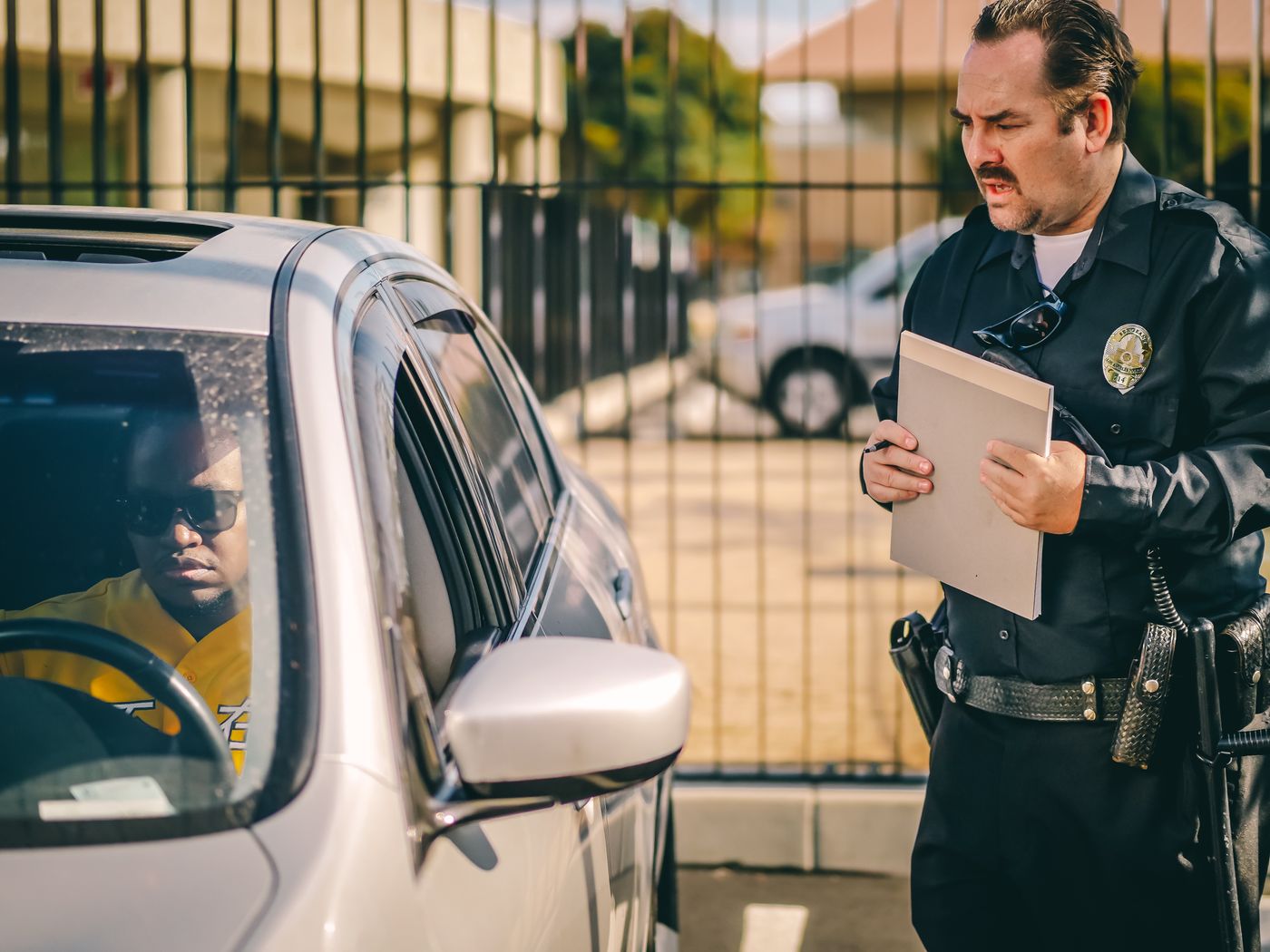 Real authority is verified through agency procedure, not a badge or uniform alone Photo via Pexels.
Police impersonation can involve a person using emergency lights to conduct a traffic stop, wearing a uniform or badge to enter a home, calling to demand money, creating a fake warrant, pretending to investigate a crime, or using a false identity to obtain personal information or sexual access. Some impersonators look obviously amateur; others use realistic equipment and accurate police vocabulary. Appearance alone is therefore not enough.
A legitimate officer may work in plain clothes, drive an unmarked vehicle, call from a blocked number, or arrive without the person expecting contact. Conversely, badges, patches, tactical vests, handcuffs, radios, and flashing lights can be purchased, stolen, or copied. Verification should connect the person to an independently contacted agency, an active dispatch event, official credentials, and conduct consistent with the claimed purpose.
This guide focuses on safe verification. It does not recommend challenging a possibly armed person, grabbing a badge, conducting an online “investigation,” or refusing all police contact. During a suspicious traffic stop, signal compliance and call 911. At a door, keep the barrier closed while you call the agency’s published number. On the phone, end the call and independently contact the supposed department. In immediate danger, prioritize escape and emergency assistance.
Impersonation laws differ, but pretending to act as a public officer, conducting a false detention, demanding value, entering property, or committing another offense can carry serious penalties. Accurate evidence—time, location, vehicle, exact statements, phone numbers, video, witnesses, and transaction requests—helps investigators more than a dramatic accusation.
Immediate danger: If a person claiming to be police attempts abduction, sexual contact, robbery, forced entry, assault, or movement to an isolated place, call 911 and move to safety. Do not stay nearby to collect additional proof.
Quick Answer
Verify police authority through a channel the person does not control. During a traffic stop, slow down, signal compliance, call 911, and ask whether an officer is stopping you. At home, keep the door closed and call the agency’s published dispatch number. On the phone, hang up and call the official number yourself. Ask for name, agency, badge or ID number, supervisor, report number, or a marked unit. Treat demands for cash, gift cards, cryptocurrency, passwords, sexual contact, secrecy, or immediate travel to an isolated location as major warnings.
Part 1: Identify the Strongest Warning Signs
1. Look beyond the uniform and badge
What to do: Evaluate the entire interaction: how the person initiated contact, what authority is claimed, whether the agency can verify it, and what the person demands. Uniform pieces and badges are commercially available and can also be stolen.
Why it matters: Impersonators depend on the assumption that visual symbols end all questions. Legitimate authority should connect to a real agency and lawful purpose.
Apply it carefully: Do not touch the person, seize the badge, or move close enough to read tiny details if that increases danger.
Practical standard: During an encounter, the lowest-risk approach is usually to make your intentions visible, avoid sudden movements, and save legal arguments for a safer setting. Compliance with a physical command does not waive the right to challenge the stop, search, arrest, or use of force later.
2. Treat unusual payment demands as a major red flag
What to do: Be suspicious when the person demands roadside cash, gift cards, cryptocurrency, wire transfers, payment apps, account logins, or a fee to cancel a warrant or prevent arrest.
Why it matters: Government fines, bail, taxes, and court obligations use documented processes. Scammers create urgency because independent verification defeats the scheme.
Apply it carefully: Do not pay a small amount “to be safe.” End the contact and verify through the court or agency’s official website and number.
Practical standard: If local rules differ, follow the instruction of the dispatcher or agency with jurisdiction. Keep the focus on immediate safety, then preserve names, badge numbers, vehicle descriptions, video, witness details, and the event number for later review.
3. Notice attempts to isolate you
What to do: Pay attention when the person orders you into a private vehicle, unlit area, hotel room, empty building, or distant location without a clearly verifiable law-enforcement reason.
Why it matters: Isolation removes witnesses and increases the impersonator’s control.
Apply it carefully: A real arrest or search can involve movement, so do not physically resist. Call 911, state the location, and request verification or marked backup.
Practical standard: Do not turn a verification step into evasion. Signal that you are responding, reduce speed, choose a reasonably safe place, and contact emergency dispatch when you genuinely doubt that the person is an officer.
4. Question sexual or personal demands
What to do: Treat requests to undress without a lawful search context, pose for private photographs, provide sexual favors, meet alone later, or reveal intimate information unrelated to the investigation as urgent warning signs.
Why it matters: Police authority does not authorize personal sexual access, favors, dating pressure, or exploitation.
Apply it carefully: Move to safety and report promptly. Preserve messages and avoid warning the impersonator that evidence is being collected.
Practical standard: During an encounter, the lowest-risk approach is usually to make your intentions visible, avoid sudden movements, and save legal arguments for a safer setting. Compliance with a physical command does not waive the right to challenge the stop, search, arrest, or use of force later.
Part 2: Verify a Traffic Stop or Street Contact
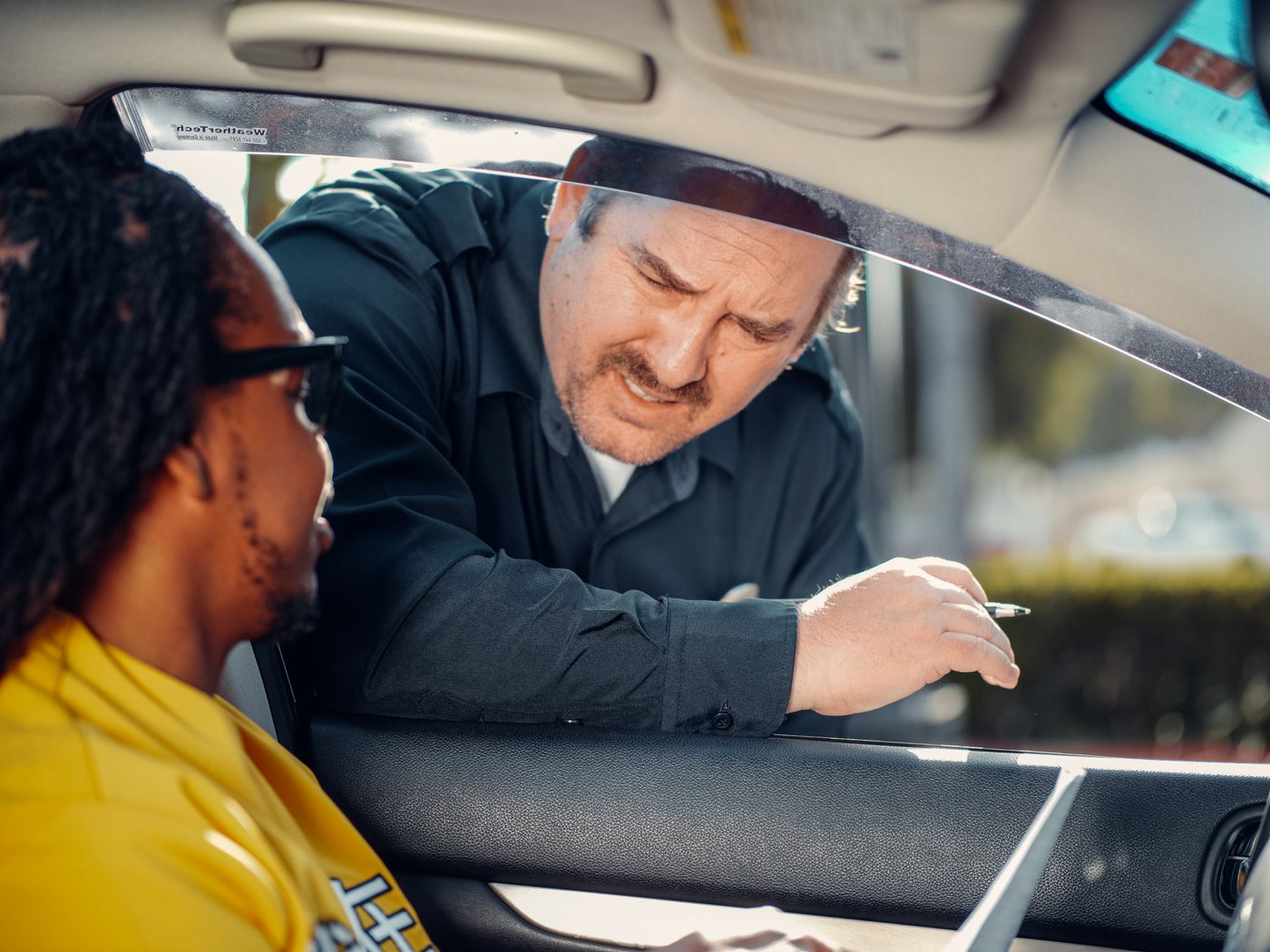 A calm request for identification and dispatch confirmation is safer than confrontation Photo via Pexels.
5. Signal compliance while contacting dispatch
What to do: Reduce speed, activate hazards, and call 911 hands-free when an unmarked or suspicious vehicle signals you to stop. State your road, direction, vehicle, and the description of the vehicle behind you.
Why it matters: This shows that you are not fleeing while allowing dispatch to confirm the event.
Apply it carefully: Do not race to a distant police station or lead the vehicle through turns without communicating with emergency dispatch.
Practical standard: If local rules differ, follow the instruction of the dispatcher or agency with jurisdiction. Keep the focus on immediate safety, then preserve names, badge numbers, vehicle descriptions, video, witness details, and the event number for later review.
6. Stop in a visible nearby place
What to do: Choose a lighted shoulder, business parking lot, or public area that is reasonably close. Park, lock the doors, lower the window enough to communicate, and keep hands visible.
Why it matters: Visibility and witnesses can reduce risk without turning the stop into evasion.
Apply it carefully: Do not exit suddenly to inspect the vehicle or confront the person.
Practical standard: Do not turn a verification step into evasion. Signal that you are responding, reduce speed, choose a reasonably safe place, and contact emergency dispatch when you genuinely doubt that the person is an officer.
7. Ask for a marked unit or supervisor
What to do: Through dispatch or the person claiming authority, request marked backup when the situation remains uncertain.
Why it matters: An additional verified unit provides authentication and a documented resolution.
Apply it carefully: Do not use the request to delay every lawful instruction. Follow the dispatcher’s guidance.
Practical standard: During an encounter, the lowest-risk approach is usually to make your intentions visible, avoid sudden movements, and save legal arguments for a safer setting. Compliance with a physical command does not waive the right to challenge the stop, search, arrest, or use of force later.
8. Record descriptors rather than making accusations
What to do: Note vehicle make, color, plate, light placement, clothing, badge wording, voice, direction of travel, and exact statements when safe.
Why it matters: Objective descriptors allow law enforcement to compare reports and locate a repeat offender.
Apply it carefully: Do not follow the vehicle, post a live location, or encourage others to confront it.
Practical standard: If local rules differ, follow the instruction of the dispatcher or agency with jurisdiction. Keep the focus on immediate safety, then preserve names, badge numbers, vehicle descriptions, video, witness details, and the event number for later review.
Part 3: Verify Doorstep, Telephone, and Online Claims
 Preserve messages, names, numbers, and documents when someone falsely claims government authority Photo via Pexels.
9. Keep a physical barrier at the door
What to do: Speak through the locked door, intercom, camera, or chain while you call the agency independently. Ask the visitor to wait where visible.
Why it matters: A barrier gives you time to verify without granting entry.
Apply it carefully: Do not open the door merely because the person threatens arrest for asking a reasonable question. If a warrant is claimed, call 911 and follow instructions.
Practical standard: Do not turn a verification step into evasion. Signal that you are responding, reduce speed, choose a reasonably safe place, and contact emergency dispatch when you genuinely doubt that the person is an officer.
10. Call the agency using a number you find yourself
What to do: Use the department’s official website, municipal directory, or emergency dispatch—not a card, text, link, or number supplied by the person.
Why it matters: A scammer can control fake numbers, spoof caller ID, and answer a second line. Independent contact breaks the closed loop.
Apply it carefully: Search ads can also be misleading; confirm that the site is the actual government or agency domain.
Practical standard: During an encounter, the lowest-risk approach is usually to make your intentions visible, avoid sudden movements, and save legal arguments for a safer setting. Compliance with a physical command does not waive the right to challenge the stop, search, arrest, or use of force later.
11. Verify warrants and court claims through official systems
What to do: Ask for the court, case number, judge, issuing agency, and written process. Contact the court clerk or law-enforcement agency through a published number.
Why it matters: A real warrant is not normally erased by immediate gift-card or cryptocurrency payment.
Apply it carefully: Do not share banking information or install remote-access software to “verify identity.”
Practical standard: If local rules differ, follow the instruction of the dispatcher or agency with jurisdiction. Keep the focus on immediate safety, then preserve names, badge numbers, vehicle descriptions, video, witness details, and the event number for later review.
12. Protect one-time codes and device access
What to do: Never provide passwords, authentication codes, full Social Security numbers, recovery phrases, or remote control of a phone or computer merely because the caller claims police authority.
Why it matters: Law enforcement may lawfully seek records through legal process, but an unsolicited caller does not need your account code to prove identity.
Apply it carefully: If you already shared access, disconnect the device, contact financial institutions, change credentials from a safe device, and preserve the scam evidence.
Practical standard: Do not turn a verification step into evasion. Signal that you are responding, reduce speed, choose a reasonably safe place, and contact emergency dispatch when you genuinely doubt that the person is an officer.
Part 4: Report, Preserve Evidence, and Recover
 Serious impersonation cases may require police reports, legal advice, and identity-theft protection Photo via Pexels.
13. Call police promptly after a suspicious encounter
What to do: Report the time, place, vehicle, direction, behavior, statements, weapon, money demand, and whether the person touched, detained, searched, or transported anyone.
Why it matters: Impersonators can target multiple people in a short period. Prompt reports help agencies warn the public and compare patterns.
Apply it carefully: Report facts even when you are uncertain. Do not inflate details to make the response seem more urgent.
Practical standard: During an encounter, the lowest-risk approach is usually to make your intentions visible, avoid sudden movements, and save legal arguments for a safer setting. Compliance with a physical command does not waive the right to challenge the stop, search, arrest, or use of force later.
14. Preserve original digital evidence
What to do: Save voicemail, call logs, emails, texts, account names, payment requests, photographs, dash-camera footage, doorbell video, and metadata. Export copies without altering the originals.
Why it matters: Original files can connect incidents through numbers, accounts, time stamps, vehicles, and language.
Apply it carefully: Do not continue a dangerous conversation solely to gather more evidence.
Practical standard: If local rules differ, follow the instruction of the dispatcher or agency with jurisdiction. Keep the focus on immediate safety, then preserve names, badge numbers, vehicle descriptions, video, witness details, and the event number for later review.
15. Address identity theft and financial loss
What to do: Contact banks, card issuers, credit bureaus, account providers, and the appropriate identity-theft reporting system when personal or financial information was exposed.
Why it matters: Police impersonation can be the opening stage of account takeover, fraudulent credit, or extortion.
Apply it carefully: Use official contact information and document every case number, freeze, dispute, and confirmation.
Practical standard: Do not turn a verification step into evasion. Signal that you are responding, reduce speed, choose a reasonably safe place, and contact emergency dispatch when you genuinely doubt that the person is an officer.
16. Support victims without blaming them
What to do: Treat compliance under apparent authority as an understandable survival response. Help the person obtain medical care, advocacy, legal advice, and trauma support.
Why it matters: Impersonators exploit fear of arrest and trust in official symbols. Shame can delay reporting and allow repeat victimization.
Apply it carefully: Do not publicly identify the victim or pressure them to confront the suspect.
Practical standard: During an encounter, the lowest-risk approach is usually to make your intentions visible, avoid sudden movements, and save legal arguments for a safer setting. Compliance with a physical command does not waive the right to challenge the stop, search, arrest, or use of force later.
Detailed Planning Worksheets and Advanced Guidance
Deep Dive 1: Use a three-channel verification rule
Purpose and context: Require alignment among the person’s claimed identity, independent agency confirmation, and conduct consistent with the claimed task. A badge without dispatch, or a phone call without a verifiable case, is only one channel. This is most useful when written down before the situation becomes urgent, because stress reduces memory and makes people rely on habit.
Step-by-step method: For traffic stops, 911 is the independent channel. For doorstep or phone contacts, use an official published number. For court claims, contact the clerk. Review the result for completeness, identify who has authority to act, and set a specific follow-up date instead of leaving the issue open-ended.
Example: A caller gives a badge number and callback number. The recipient ignores the callback number and reaches the department through its municipal website; the department finds no such call. The example is not a universal rule; it shows how to translate the principle into a small, observable action that another person can verify.
Risk control: Do not use information supplied by the claimant to verify the claimant. When facts, policy, or safety conditions change, stop and obtain updated instructions rather than forcing the original plan to fit.
Documentation practice: Record facts in chronological order and separate direct observation from assumption. Use official channels, preserve originals, and avoid creating a public accusation before the information is verified.
Deep Dive 2: Create a doorstep verification routine
Purpose and context: Keep the door locked, turn on exterior lights, use the camera or intercom, ask the purpose and agency, and call 911 or published dispatch. Tell children not to open the door. This is most useful when written down before the situation becomes urgent, because stress reduces memory and makes people rely on habit.
Step-by-step method: If officers have lawful emergency authority, dispatch can explain the situation. If the visitor is fake, the physical barrier protects time and distance. Review the result for completeness, identify who has authority to act, and set a specific follow-up date instead of leaving the issue open-ended.
Example: A person claiming to investigate a neighbor agrees to wait while dispatch confirms. An impersonator instead demands immediate entry and leaves when the call begins. The example is not a universal rule; it shows how to translate the principle into a small, observable action that another person can verify.
Risk control: Do not stand at a window where you can be grabbed or reveal that you are alone. When facts, policy, or safety conditions change, stop and obtain updated instructions rather than forcing the original plan to fit.
Documentation practice: Record facts in chronological order and separate direct observation from assumption. Use official channels, preserve originals, and avoid creating a public accusation before the information is verified.
Deep Dive 3: Recognize authority-payment scams
Purpose and context: Map the pressure sequence: official title, accusation or warrant, secrecy, immediate deadline, unusual payment, and threat of arrest. Once that pattern appears, stop the transaction and verify independently. This is most useful when written down before the situation becomes urgent, because stress reduces memory and makes people rely on habit.
Step-by-step method: Scammers may use real names, addresses, court terms, and spoofed numbers. Accurate personal details do not prove the caller is genuine. Review the result for completeness, identify who has authority to act, and set a specific follow-up date instead of leaving the issue open-ended.
Example: A caller knows the victim’s former address and says a sheriff will arrest her unless she buys gift cards. She hangs up and calls the real court. The example is not a universal rule; it shows how to translate the principle into a small, observable action that another person can verify.
Risk control: Never provide card numbers, cryptocurrency, remote computer access, or one-time codes. When facts, policy, or safety conditions change, stop and obtain updated instructions rather than forcing the original plan to fit.
Documentation practice: Record facts in chronological order and separate direct observation from assumption. Use official channels, preserve originals, and avoid creating a public accusation before the information is verified.
Deep Dive 4: Train frontline employees without encouraging detention
Purpose and context: Retail, hotel, building, and security staff should have a script: pause the transaction, call a supervisor, use the approved verification channel, offer a lawful alternative, and contact police for threats. This is most useful when written down before the situation becomes urgent, because stress reduces memory and makes people rely on habit.
Step-by-step method: Employees need authority to decline a transaction without publicly accusing or physically holding the person. Review the result for completeness, identify who has authority to act, and set a specific follow-up date instead of leaving the issue open-ended.
Example: A hotel clerk says, “I cannot accept this credential through our process; my manager will verify it,” rather than announcing a fake-cop accusation. The example is not a universal rule; it shows how to translate the principle into a small, observable action that another person can verify.
Risk control: Citizen-detention law is complex. Untrained employees should not seize people or weapons. When facts, policy, or safety conditions change, stop and obtain updated instructions rather than forcing the original plan to fit.
Documentation practice: Record facts in chronological order and separate direct observation from assumption. Use official channels, preserve originals, and avoid creating a public accusation before the information is verified.
Deep Dive 5: Build a victim recovery file
Purpose and context: Collect the police report, incident number, messages, payment records, medical records, account alerts, credit freezes, identity-theft report, and a list of every organization notified. This is most useful when written down before the situation becomes urgent, because stress reduces memory and makes people rely on habit.
Step-by-step method: Impersonation may lead to financial fraud, stalking, sexual assault, or repeated contact. A single organized file supports each recovery process. Review the result for completeness, identify who has authority to act, and set a specific follow-up date instead of leaving the issue open-ended.
Example: A victim who paid through a bank transfer contacts the bank immediately, then records the fraud case and police report numbers in the file. The example is not a universal rule; it shows how to translate the principle into a small, observable action that another person can verify.
Risk control: Do not let shame delay reporting. Compliance under apparent authority is a common response and does not make the victim responsible. When facts, policy, or safety conditions change, stop and obtain updated instructions rather than forcing the original plan to fit.
Documentation practice: Record facts in chronological order and separate direct observation from assumption. Use official channels, preserve originals, and avoid creating a public accusation before the information is verified.
Real-World Scenarios
Scenario 1: An unmarked SUV uses red and blue dashboard lights
Signal compliance, call 911, describe the SUV and location, and stop where dispatch directs. Keep hands visible and ask for marked backup when appropriate.
Scenario 2: A caller says you missed jury duty and must pay
Hang up, independently call the court clerk or sheriff, and preserve the number and voicemail. Do not pay by gift card, crypto, wire, or payment app.
Scenario 3: A person in a vest says they need to enter your home
Keep the door closed, call 911 or the agency, and ask whether officers are at your address. Do not rely on a badge photograph shown through the window.
Scenario 4: You discover after the event that the person was fake
Report immediately, preserve clothing and digital evidence, obtain medical care if needed, and avoid deleting messages out of embarrassment.
Action Checklist
- Use independent agency contact information
- Call 911 during a suspicious active stop
- Signal compliance rather than fleeing
- Ask for name, agency, badge number, and supervisor
- Request marked backup when appropriate
- Reject unusual payment or secrecy demands
- Keep doors locked during verification
- Preserve original messages and video
- Report quickly with objective descriptors
- Protect financial and identity accounts after exposure
Common Mistakes to Avoid
- Assuming a realistic uniform proves authority
- Physically confronting or trying to detain the person
- Driving away at high speed from a possible officer
- Calling a number supplied by the suspected impersonator
- Paying to make a warrant disappear
- Posting a live manhunt on social media
- Deleting embarrassing evidence
- Blaming a victim for complying under fear
Frequently Asked Questions
Can fake officers buy real-looking equipment?
Yes. Lights, patches, vests, radios, badges, and handcuffs can be purchased or stolen, which is why independent verification matters.
Should I ask to see a badge?
You may ask calmly, but a badge alone is not conclusive. Combine it with dispatch confirmation, agency identification, and a marked unit when needed.
Can I refuse to open my door?
Rules depend on warrants and emergency circumstances. Keep the barrier closed while calling 911 to verify rather than physically resisting a confirmed lawful entry.
What if the person says calling 911 will get me arrested?
That pressure is a warning sign. State your location to emergency dispatch and follow its instructions.
Do police collect fines at traffic stops?
Citation and payment processes vary, but roadside demands for gift cards, cryptocurrency, or immediate cash to avoid arrest are strong fraud indicators.
What if the person is a real plainclothes officer?
Dispatch or marked backup can verify the contact. Remain calm, keep hands visible, and comply with safety instructions while asking reasonable questions.
Where should federal-officer impersonation be reported?
Call local police for immediate safety and use the relevant federal agency or FBI channel for follow-up when a federal identity was claimed.
Can I publish the suspect’s photo?
Give original images to investigators first. Public posting can misidentify someone, interfere with an investigation, or expose a victim’s location.
Official and Authoritative Resources
- Arizona DPS — Police Impersonation Warning
- Arizona DPS — Suspected Impersonator Investigation
- USAGov — Report a Crime
- FTC Identity Theft Recovery
- DOJ — Federal Officer Impersonation Guidance
Final Takeaway
The strongest way to identify a police impersonator is not to become an amateur badge expert. Use independent dispatch confirmation, marked backup, official agency numbers, and a clear understanding that legitimate government processes do not depend on secret cash payments or personal favors. Preserve facts, report quickly, and prioritize distance over confrontation.