

How to Avoid Getting Shot by a Police Officer
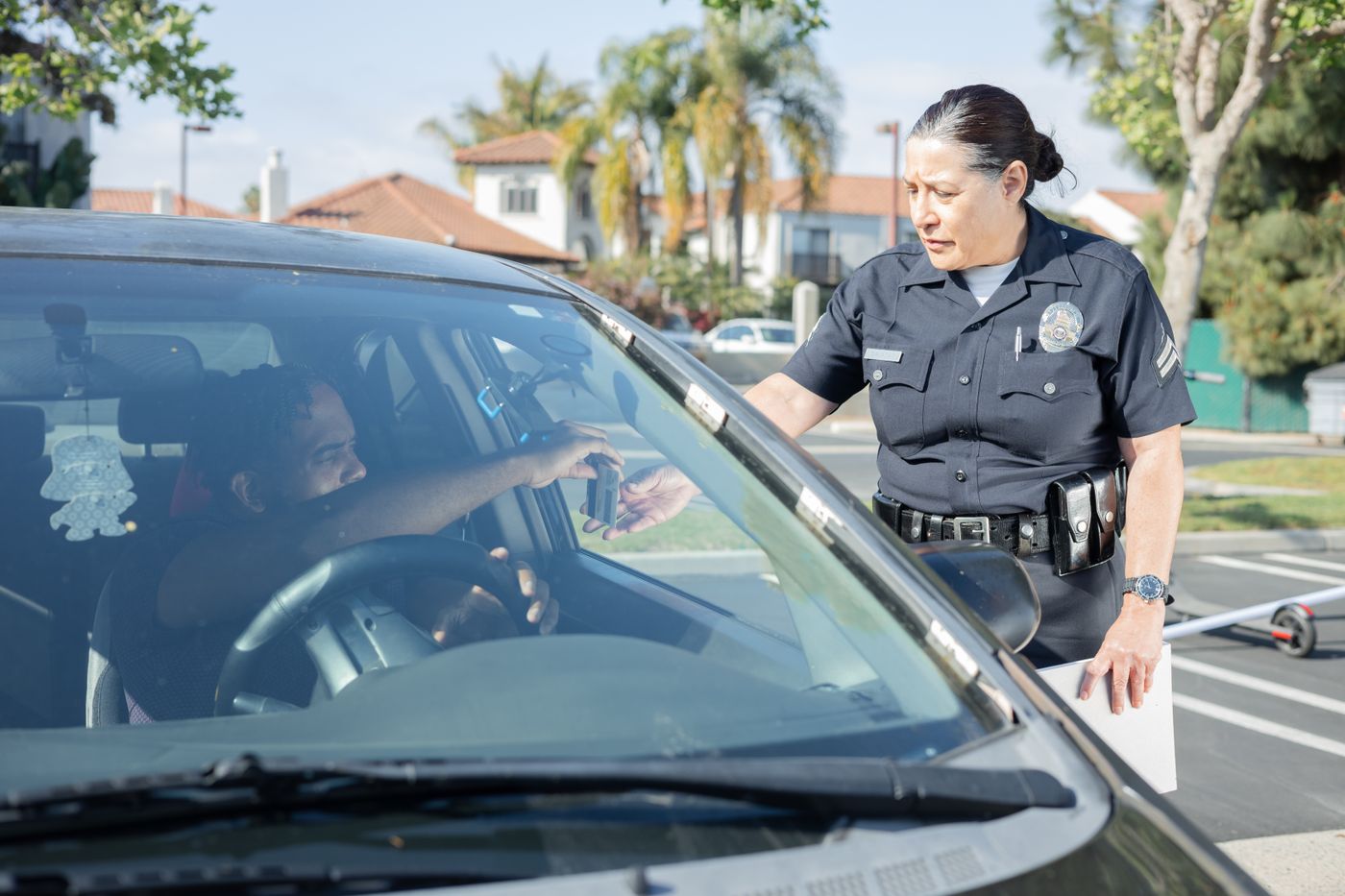 Visible hands and announced movements can reduce uncertainty during a stop Photo via Pexels.
No behavior can guarantee that a police officer will not shoot, and responsibility for a lawful, proportionate use of force rests with the officer and the agency—not with the civilian. People have been injured or killed despite following instructions, and advice about “how to survive” must not become victim blaming. The practical purpose of this guide is narrower: reduce avoidable uncertainty, make movements and intentions visible, prepare for common police encounters, and preserve rights for later review.
Police contacts can involve traffic stops, street questioning, calls at a home, mental-health crises, mistaken identity, warrants, protests, or arrests. Stress affects memory, hearing, movement, and speech. Officers may issue rapid or conflicting commands. A person may have a disability, limited English, hearing loss, autism, trauma response, medical condition, or lawful weapon. Planning a simple response before an encounter can make it easier to communicate those facts.
The central strategy is “comply physically, clarify verbally, challenge legally.” Keep hands visible, stop movements, listen for one clear instruction, explain before reaching, and state when commands conflict or cannot be completed. You can say that you do not consent to a search while avoiding physical resistance. You can ask whether you are free to leave. You can request medical help. You can document or complain afterward where law permits.
This article covers vehicles, pedestrians, homes, lawful firearms, passengers, disabilities, children, mental-health crises, and the steps to take after force. It does not imply that a person caused unlawful violence by failing to perform any step perfectly.
No guarantee and no victim blame: These practices may reduce confusion but cannot control another person’s decisions. If force occurs, the legal question is whether the officer’s actions were lawful and reasonable under the circumstances—not whether the civilian followed an internet checklist perfectly.
Quick Answer
When police contact you, pause, keep your hands open and visible, avoid sudden reaching, and tell the officer before moving. In a car, pull over safely, turn off the engine, lower the window enough to communicate, and wait before retrieving documents. If commands conflict, say so calmly: “I want to comply. Which instruction should I follow?” Do not physically resist a search or arrest; state non-consent verbally and seek legal review later. Tell officers about disabilities, medical emergencies, children, and lawful weapons according to local law and clear safety instructions.
Part 1: Prepare Before Any Encounter
1. Store documents where they are easy to reach
What to do: Keep the driver license, registration, and insurance in a consistent location that does not require searching under seats or inside clutter. Teach household drivers to wait for the officer’s request before reaching.
Why it matters: Preparation reduces unexpected movement and lets the driver describe exactly where the document is located.
Apply it carefully: Do not store documents beside a firearm or in a container that requires reaching across a passenger.
Practical standard: During an encounter, the lowest-risk approach is usually to make your intentions visible, avoid sudden movements, and save legal arguments for a safer setting. Compliance with a physical command does not waive the right to challenge the stop, search, arrest, or use of force later.
2. Create a disability or medical communication plan
What to do: Consider a brief card stating hearing loss, autism, limited speech, diabetes, seizure risk, PTSD, mobility limits, or another relevant condition. Practice one sentence that explains the need without a long story.
Why it matters: Stress can make communication harder, and behavior associated with a disability may otherwise be misread.
Apply it carefully: A card is not a guarantee. Keep hands visible and tell the officer where the card is before reaching for it.
Practical standard: If local rules differ, follow the instruction of the dispatcher or agency with jurisdiction. Keep the focus on immediate safety, then preserve names, badge numbers, vehicle descriptions, video, witness details, and the event number for later review.
3. Know local firearm-notification law
What to do: If you lawfully carry a weapon, learn whether the jurisdiction requires immediate disclosure, disclosure upon request, or no special statement. Store the weapon and documents so you do not reach toward both.
Why it matters: Firearm laws differ sharply, and improvising during a stop can increase risk.
Apply it carefully: Do not touch, display, unload, or retrieve the weapon unless given clear lawful instructions.
Practical standard: Do not turn a verification step into evasion. Signal that you are responding, reduce speed, choose a reasonably safe place, and contact emergency dispatch when you genuinely doubt that the person is an officer.
4. Teach passengers a shared routine
What to do: Ask passengers to remain seated, keep hands visible, avoid arguing, and let the driver communicate unless an officer addresses them directly. Plan how to support children or a person in crisis.
Why it matters: Multiple voices and movements increase uncertainty. A simple routine makes the vehicle calmer.
Apply it carefully: Passengers retain rights, but roadside debate is different from calmly asking whether they are free to leave.
Practical standard: During an encounter, the lowest-risk approach is usually to make your intentions visible, avoid sudden movements, and save legal arguments for a safer setting. Compliance with a physical command does not waive the right to challenge the stop, search, arrest, or use of force later.
Part 2: Make Your Movements and Intentions Clear
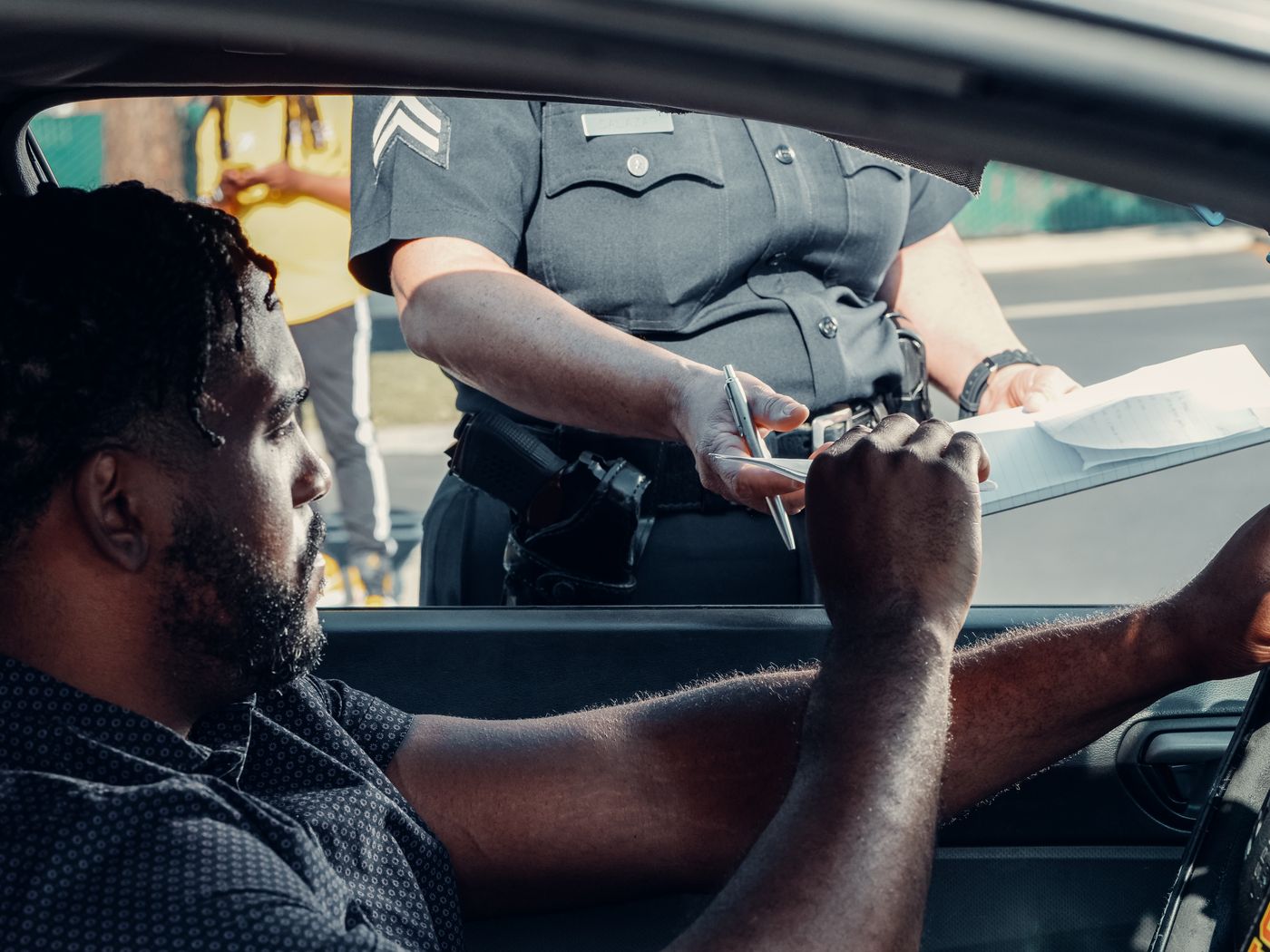 Wait for clear instructions before reaching for documents Photo via Pexels.
5. Pull over promptly and safely
What to do: Signal, reduce speed, move to a nearby safe shoulder or parking area, place the vehicle in park, turn off the engine, and stay inside unless directed otherwise.
Why it matters: A predictable stop protects road users and shows the officer that you are responding.
Apply it carefully: If an unmarked vehicle causes genuine concern, signal compliance and call 911 rather than accelerating or leading a long pursuit.
Practical standard: If local rules differ, follow the instruction of the dispatcher or agency with jurisdiction. Keep the focus on immediate safety, then preserve names, badge numbers, vehicle descriptions, video, witness details, and the event number for later review.
6. Place hands where they can be seen
What to do: Keep both hands on the steering wheel or open and visible. Ask passengers to place hands on laps or another visible location.
Why it matters: Officers make rapid assessments about unseen hands. Visibility can reduce uncertainty even though it cannot guarantee conduct.
Apply it carefully: Do not search for documents, pick up a phone, or reach into clothing while the officer approaches.
Practical standard: Do not turn a verification step into evasion. Signal that you are responding, reduce speed, choose a reasonably safe place, and contact emergency dispatch when you genuinely doubt that the person is an officer.
7. Announce every necessary reach
What to do: Say, “My registration is in the glove box. May I reach for it?” Wait for a clear response, move slowly, and stop if the instruction changes.
Why it matters: Narration connects the movement to an ordinary task and gives the officer time to respond.
Apply it carefully: Do not assume permission because the officer asked for a document; clarify when the location is unusual or near a weapon.
Practical standard: During an encounter, the lowest-risk approach is usually to make your intentions visible, avoid sudden movements, and save legal arguments for a safer setting. Compliance with a physical command does not waive the right to challenge the stop, search, arrest, or use of force later.
8. Use short, literal language
What to do: Answer safety and identification questions clearly. When you do not understand, say, “Please repeat the instruction,” or “I want to comply; I did not hear you.”
Why it matters: Short sentences are easier to process during stress and create a clearer audio record.
Apply it carefully: Avoid sarcasm, insults, threats, sudden legal lectures, or movements made to demonstrate that you know your rights.
Practical standard: If local rules differ, follow the instruction of the dispatcher or agency with jurisdiction. Keep the focus on immediate safety, then preserve names, badge numbers, vehicle descriptions, video, witness details, and the event number for later review.
Part 3: Handle Conflicting Commands, Searches, and Arrests
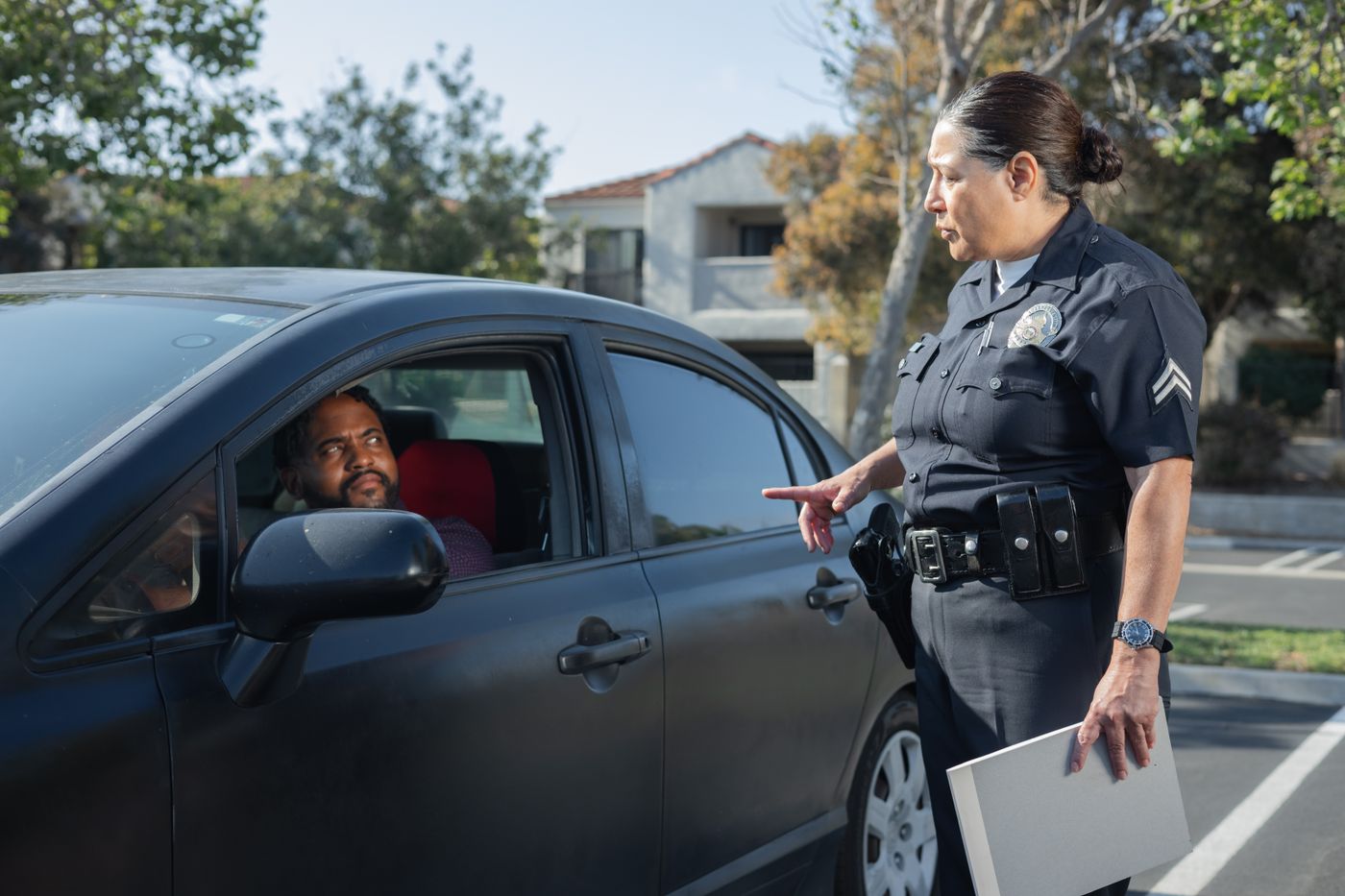 Use calm, precise language and preserve legal objections for a safer setting Photo via Pexels.
9. Clarify conflicting commands out loud
What to do: If one officer says “hands up” while another says “get down,” freeze when possible and state, “I am receiving different commands. Which one should I follow?”
Why it matters: A verbal record shows the problem and may prompt officers to coordinate.
Apply it carefully: Do not choose a rapid movement while officers are still shouting incompatible instructions unless immediate physical safety requires it.
Practical standard: Do not turn a verification step into evasion. Signal that you are responding, reduce speed, choose a reasonably safe place, and contact emergency dispatch when you genuinely doubt that the person is an officer.
10. State non-consent without physical resistance
What to do: If asked to search, say, “I do not consent to a search.” If the officer proceeds, do not block, grab, push, close a container on a hand, or interfere physically.
Why it matters: Non-consent can preserve a legal issue, while physical resistance can create immediate danger and additional charges.
Apply it carefully: Do not assume silence equals consent; use clear words, then let counsel challenge legality later.
Practical standard: During an encounter, the lowest-risk approach is usually to make your intentions visible, avoid sudden movements, and save legal arguments for a safer setting. Compliance with a physical command does not waive the right to challenge the stop, search, arrest, or use of force later.
11. Ask whether you are free to leave
What to do: During a street contact, calmly ask, “Am I being detained, or am I free to go?” If told you may leave, move away normally. If detained, keep hands visible and ask the reason when safe.
Why it matters: The question clarifies the legal status without requiring an argument.
Apply it carefully: Do not run, make sudden turns, or physically test whether the officer will stop you.
Practical standard: If local rules differ, follow the instruction of the dispatcher or agency with jurisdiction. Keep the focus on immediate safety, then preserve names, badge numbers, vehicle descriptions, video, witness details, and the event number for later review.
12. Do not physically resist arrest
What to do: Even if you believe the arrest is mistaken or unlawful, avoid pulling away, stiffening, wrestling, reaching toward an officer, or attempting to escape. State pain, injury, and willingness to comply.
Why it matters: Courts, lawyers, body-camera review, and complaint systems are designed to address legality after the immediate danger has passed.
Apply it carefully: If a position prevents breathing, say clearly, “I cannot breathe,” describe the medical problem, and request emergency care repeatedly without threatening movement.
Practical standard: Do not turn a verification step into evasion. Signal that you are responding, reduce speed, choose a reasonably safe place, and contact emergency dispatch when you genuinely doubt that the person is an officer.
Part 4: Adapt to High-Risk Situations and Follow Up
 After a frightening encounter, medical, legal, and emotional support may all be appropriate Photo via Pexels.
13. Respond carefully when ordered out of a vehicle
What to do: Tell the officer about seat belts, mobility devices, children, animals, or objects that affect exit. Move one step at a time with hands visible.
Why it matters: Unexpected entanglement or delay may otherwise appear as refusal.
Apply it carefully: Do not reach back into the vehicle after exiting unless specifically instructed.
Practical standard: During an encounter, the lowest-risk approach is usually to make your intentions visible, avoid sudden movements, and save legal arguments for a safer setting. Compliance with a physical command does not waive the right to challenge the stop, search, arrest, or use of force later.
14. Protect a person in a mental-health crisis
What to do: Give dispatch the diagnosis or observable behavior, known triggers, medication information, weapons access, and techniques that help. Ask whether a crisis-intervention or medical team is available.
Why it matters: Police need concrete safety information; vague labels such as “crazy” do not help response planning.
Apply it carefully: Do not crowd, restrain, or surprise the person unless immediate harm requires emergency action.
Practical standard: If local rules differ, follow the instruction of the dispatcher or agency with jurisdiction. Keep the focus on immediate safety, then preserve names, badge numbers, vehicle descriptions, video, witness details, and the event number for later review.
15. Seek medical care and preserve evidence after force
What to do: Call for medical assistance, photograph injuries over time, keep damaged clothing, record witness information, save video, and request the incident and body-camera preservation numbers.
Why it matters: Some injuries develop later, and digital recordings can be overwritten under retention schedules.
Apply it carefully: Do not edit the original video or delay urgent care in order to create photographs.
Practical standard: Do not turn a verification step into evasion. Signal that you are responding, reduce speed, choose a reasonably safe place, and contact emergency dispatch when you genuinely doubt that the person is an officer.
16. Use legal, civil-rights, and complaint channels
What to do: Consult a lawyer promptly, request reports, contest charges or citations, file an agency or oversight complaint, and report civil-rights concerns through the appropriate government process.
Why it matters: A structured review can examine policy, training, video, medical evidence, and legal standards.
Apply it carefully: Observe deadlines. Avoid contacting the officer privately, threatening retaliation, or coordinating false witness statements.
Practical standard: During an encounter, the lowest-risk approach is usually to make your intentions visible, avoid sudden movements, and save legal arguments for a safer setting. Compliance with a physical command does not waive the right to challenge the stop, search, arrest, or use of force later.
Detailed Planning Worksheets and Advanced Guidance
Deep Dive 1: Practice a ten-second traffic-stop routine
Purpose and context: Rehearse: signal, stop nearby, park, engine off, interior light on at night when safe, hands on wheel, passengers’ hands visible, and no reaching until asked. Store documents in one predictable location. This is most useful when written down before the situation becomes urgent, because stress reduces memory and makes people rely on habit.
Step-by-step method: Practice makes the sequence available when stress narrows attention. It does not guarantee safety or imply fault when an officer behaves unlawfully. Review the result for completeness, identify who has authority to act, and set a specific follow-up date instead of leaving the issue open-ended.
Example: A parent practices with a new driver in a parked car, including the sentence, “My registration is in the glove box; may I reach for it?” The example is not a universal rule; it shows how to translate the principle into a small, observable action that another person can verify.
Risk control: Do not turn practice into fear conditioning. The goal is calm predictability and knowledge of rights. When facts, policy, or safety conditions change, stop and obtain updated instructions rather than forcing the original plan to fit.
Documentation practice: Record facts in chronological order and separate direct observation from assumption. Use official channels, preserve originals, and avoid creating a public accusation before the information is verified.
Deep Dive 2: Create a disability communication card
Purpose and context: Use large plain text: condition, communication need, safe instruction format, emergency medication or device, and one contact. Avoid unnecessary medical history. This is most useful when written down before the situation becomes urgent, because stress reduces memory and makes people rely on habit.
Step-by-step method: Show or point to the card only after announcing its location and receiving instruction. Consider a visor card, dashboard placard, or accessibility notation where available. Review the result for completeness, identify who has authority to act, and set a specific follow-up date instead of leaving the issue open-ended.
Example: A driver with autism uses a card saying that eye contact and rapid speech are difficult and asks for one command at a time. The example is not a universal rule; it shows how to translate the principle into a small, observable action that another person can verify.
Risk control: The card cannot prevent all misunderstanding. Keep hands visible and use emergency dispatch when the situation escalates. When facts, policy, or safety conditions change, stop and obtain updated instructions rather than forcing the original plan to fit.
Documentation practice: Record facts in chronological order and separate direct observation from assumption. Use official channels, preserve originals, and avoid creating a public accusation before the information is verified.
Deep Dive 3: Plan lawful firearm disclosure and storage
Purpose and context: Research the exact duty-to-inform law for each state traveled through, permit reciprocity, vehicle storage rule, and what documents are located near the firearm. This is most useful when written down before the situation becomes urgent, because stress reduces memory and makes people rely on habit.
Step-by-step method: Choose a setup that avoids reaching toward the weapon for identification. During contact, state the presence and location in calm words and wait for commands. Review the result for completeness, identify who has authority to act, and set a specific follow-up date instead of leaving the issue open-ended.
Example: A permit holder moves registration from the same locked console as the firearm before traveling, reducing the need for a risky reach. The example is not a universal rule; it shows how to translate the principle into a small, observable action that another person can verify.
Risk control: Never touch or display the firearm to demonstrate cooperation. If instructions are unclear, ask before moving. When facts, policy, or safety conditions change, stop and obtain updated instructions rather than forcing the original plan to fit.
Documentation practice: Record facts in chronological order and separate direct observation from assumption. Use official channels, preserve originals, and avoid creating a public accusation before the information is verified.
Deep Dive 4: Prepare for a family mental-health emergency
Purpose and context: Write a crisis sheet with diagnosis, medication, triggers, de-escalation methods, clinician, recent behavior, weapons access, and the person’s communication style. Ask dispatch for medical or crisis-trained response where available. This is most useful when written down before the situation becomes urgent, because stress reduces memory and makes people rely on habit.
Step-by-step method: Describe observable conduct—“holding a knife and saying he will die”—instead of a vague label. Clear facts help responders choose resources and urgency. Review the result for completeness, identify who has authority to act, and set a specific follow-up date instead of leaving the issue open-ended.
Example: A family member meets responders outside, keeps hands visible, and gives the written sheet without crowding the person in crisis. The example is not a universal rule; it shows how to translate the principle into a small, observable action that another person can verify.
Risk control: Do not attempt restraint, surprise, or confiscation when it creates greater danger. Leave immediate physical intervention to trained responders unless preventing imminent harm. When facts, policy, or safety conditions change, stop and obtain updated instructions rather than forcing the original plan to fit.
Documentation practice: Record facts in chronological order and separate direct observation from assumption. Use official channels, preserve originals, and avoid creating a public accusation before the information is verified.
Deep Dive 5: Use a post-force preservation plan
Purpose and context: Seek emergency care, request that symptoms and statements be documented, photograph injuries over several days, save original video, identify witnesses, and send preservation requests for body-camera, dash-camera, CAD, 911, and surveillance records. This is most useful when written down before the situation becomes urgent, because stress reduces memory and makes people rely on habit.
Step-by-step method: Trauma can fragment memory and some evidence can be overwritten. A timeline made soon after the event supports medical and legal review. Review the result for completeness, identify who has authority to act, and set a specific follow-up date instead of leaving the issue open-ended.
Example: A passenger writes separate notes before discussing details with other witnesses, reducing accidental story alignment. The example is not a universal rule; it shows how to translate the principle into a small, observable action that another person can verify.
Risk control: Do not delay treatment for photographs, edit originals, or give away the only copy of a recording. When facts, policy, or safety conditions change, stop and obtain updated instructions rather than forcing the original plan to fit.
Documentation practice: Record facts in chronological order and separate direct observation from assumption. Use official channels, preserve originals, and avoid creating a public accusation before the information is verified.
Real-World Scenarios
Scenario 1: The registration is in a closed glove compartment
Keep hands on the wheel and say exactly where it is. Wait for permission, open the compartment slowly, retrieve only the requested document, and return hands to view.
Scenario 2: Two officers shout different instructions
Freeze if safe, say that the commands conflict, and ask which instruction to follow. Move only after one direction becomes clear.
Scenario 3: You have a licensed firearm in the vehicle
Follow the jurisdiction’s disclosure law, state the location without touching it, and follow the officer’s instructions. Do not reach for the weapon or the documents stored beside it.
Scenario 4: Force has already occurred
Prioritize medical care and safety. Preserve video, witness information, clothing, and a detailed timeline; request records and consult counsel before posting edited clips or giving speculative interviews.
Action Checklist
- Pull over in a nearby safe place
- Turn off the engine and keep hands visible
- Wait before reaching for documents
- Announce movements and locations
- Clarify commands you cannot hear or that conflict
- State non-consent verbally, not physically
- Tell officers about disabilities and medical needs
- Follow local firearm-notification law
- Request medical care after force
- Preserve original evidence and meet legal deadlines
Common Mistakes to Avoid
- Suggesting that compliance guarantees safety
- Blaming a victim for unlawful police force
- Reaching before the officer asks
- Arguing while making sudden movements
- Physically resisting a search or arrest
- Touching a weapon to show it is lawful
- Ignoring conflicting commands instead of clarifying
- Editing or losing original evidence
Frequently Asked Questions
Does following these steps guarantee I will not be shot?
No. They may reduce uncertainty, but they cannot control an officer’s decisions and do not shift legal responsibility for force to the civilian.
Do I have to answer where I am going?
Rules vary. Drivers generally must provide required license and vehicle documents. You can often decline unrelated investigative questions, but get local legal advice.
Can I refuse a vehicle search?
You can clearly state that you do not consent. Do not physically interfere if the officer searches anyway; challenge legality later.
What if I cannot physically follow a command?
State the limitation immediately and suggest the safest alternative: “I use a wheelchair,” “My shoulder will not move,” or “I need you to repeat that because I am deaf.”
Should I tell an officer I have a firearm?
Follow the law of the jurisdiction and the permit terms. Never reach for the firearm unless clearly instructed.
Can passengers record?
Recording law and non-interference rules vary. A passenger should keep hands visible, avoid sudden movement, and follow lawful instructions.
What if the officer will not give a name?
Record the agency, vehicle, time, location, report number, and physical description, then request identification through records or complaint channels.
Where can I report a civil-rights violation?
Options can include the agency, civilian oversight body, state attorney general, a lawyer, and the U.S. Department of Justice Civil Rights reporting portal.
Official and Authoritative Resources
- AAMVA — What to Do When Stopped by Law Enforcement
- Michigan State Police — What to Expect During a Traffic Stop
- Seattle Police — Traffic Stops
- U.S. DOJ Civil Rights Reporting Portal
- USAGov — Report a Crime
Final Takeaway
Prepare for police encounters by making ordinary movements predictable, communicating limitations, and preserving rights without physical resistance. These steps are risk-reduction tools, not a promise and not a moral test. When force occurs, seek care, preserve evidence, and use legal and oversight channels to evaluate the officer’s conduct under the law.