

A clean home is easier to maintain when cleaning is treated as a small operating system rather than a heroic Saturday project. The goal of a weekly home cleaning routine is not to make every room look professionally detailed at all times. It is to stop ordinary mess, dust, grease, laundry, bathroom residue, and clutter from accumulating faster than you can comfortably remove them. A good routine tells you what deserves attention now, what can wait, which tasks should be grouped together, and when a surface needs ordinary cleaning rather than sanitizing or disinfecting.
That distinction matters. The U.S. Centers for Disease Control and Prevention explains that routine cleaning with soap or detergent removes dirt and most germs from household surfaces, while sanitizing and disinfecting are additional steps used for specific situations. In most homes, routine disinfection is not necessary everywhere every day; it becomes more relevant when someone is sick, when a high-risk person is present, or when a surface has a specific contamination concern. Building that principle into your schedule saves time, reduces unnecessary chemical use, and keeps the routine focused on the work that actually changes the condition of your home.
 Routine cleaning should match the surface and the situation. Image: BEtech4856, Wikimedia Commons, CC BY-SA 4.0.
Start by defining what “clean enough” means in your home
The fastest way to create an unrealistic schedule is to copy somebody else’s checklist. A two-person apartment with no pets, a family home with three children, and a house shared by roommates do not generate the same mess. Before assigning days to chores, decide what conditions you are trying to maintain. Think in observable outcomes: dishes are not left overnight, bathroom sinks do not develop visible residue, floors in main traffic areas are free of grit, food preparation surfaces are wiped after use, laundry is contained, and clutter returns to assigned storage instead of spreading across every horizontal surface.
Write down five to ten conditions that make your home feel functional. Avoid vague goals such as “keep the house spotless.” A functional standard is easier to measure and easier to share. For example, “the kitchen is reset before bed” can mean the sink is empty, counters are wiped, food is put away, and the floor has no obvious crumbs. “Bathroom ready for the week” can mean the toilet, sink, mirror, and floor receive a quick clean, towels are changed, and supplies are restocked. These definitions become the finish line for your routine.
If you live with other people, agree on the standard before dividing the labor. Many cleaning conflicts are not really about laziness; they come from two people using different definitions of done. One person may consider a room clean when clutter is hidden, while another expects the surfaces to be dusted and the floor vacuumed. Make the result visible and specific. You do not need a formal contract, but you do need enough clarity that a task can be completed without a second person silently redoing it.
Separate cleaning into four layers instead of one giant checklist
A sustainable routine works best when tasks are divided by frequency and purpose. The first layer is the daily reset: small actions that prevent tomorrow’s work from getting harder. The second is weekly maintenance: the predictable cleaning that most active rooms need. The third is rotating deep cleaning: tasks that matter but do not need to happen every seven days. The fourth is situation-based hygiene: cleaning, sanitizing, or disinfecting in response to illness, spills, raw-food contamination, or another specific event.
This structure prevents two common mistakes. The first is putting deep-cleaning tasks into every weekly plan until the schedule becomes impossible. The second is postponing tiny daily tasks until they become weekend projects. Five minutes spent clearing the kitchen after dinner can remove half an hour from the next day’s cleaning. On the other hand, washing every baseboard every week is usually a poor use of time if the rest of the home is already behind.
Use your layers as a filter whenever you think of a new chore. Ask: does the problem return within a day, within a week, gradually over several weeks, or only after a specific event? The answer tells you where the task belongs. This simple decision prevents your checklist from growing without limit.
Build a 10- to 20-minute daily reset
The daily reset should be short enough that you will still do it on a busy day. Focus on tasks with high carryover: dirty dishes, food debris, wet bathroom surfaces, clothes on the floor, overflowing trash, and objects that migrate into the wrong rooms. Pick one fixed moment—after dinner, before brushing your teeth, or just before shutting down for the night—and use the same sequence. Consistency matters more than the exact time.
A practical reset might begin in the kitchen: load or wash dishes, wipe food-preparation surfaces, check the sink, put leftovers away, and sweep visible crumbs. Then walk through the main living area with a basket, returning misplaced objects to their rooms. Finish with a bathroom glance for water on the floor, obvious sink residue, or towels that need hanging. Stop when the timer ends unless something poses a safety or hygiene problem. The timer protects the routine from expanding into an unplanned deep clean.
If 20 minutes is too much, split the reset. Do five minutes after meals, five minutes before leaving a room for the night, and five minutes before bed. Small resets are especially useful in homes with children because they give everyone a short, concrete task. The key is that the house should wake up in a better state than it went to sleep.
Choose one weekly cleaning block or several shorter blocks
There is no universal best schedule. Some people prefer one 90-minute block because setup happens only once. Others maintain a home more easily with three 30-minute blocks or five 15- to 25-minute sessions. Choose the pattern that fits your energy and calendar. If your weekends are already crowded, do not design a system that assumes you will happily spend Saturday morning cleaning every week.
Estimate your first version conservatively. For an ordinary small home, begin with about 15 minutes per frequently used bathroom, 20 to 30 minutes for kitchen maintenance beyond the daily reset, 20 to 40 minutes for floors depending on area and floor type, and another 15 to 30 minutes for dusting, linens, bins, and miscellaneous work. These are planning estimates, not performance targets. Track your real times for two weeks and adjust from evidence rather than guesswork.
If a task routinely takes far longer than expected, identify why. The cleaning itself may not be the problem. You may spend 20 minutes moving clutter before you can touch the surface. A vacuum may be stored in an inconvenient location. Supplies may be scattered. A bathroom may lack a place for toiletries. Fixing the friction can reduce cleaning time more effectively than trying to move faster.
Create a simple cleaning kit before you create a complicated schedule
Most weekly household cleaning does not require a large collection of specialized products. Build a small kit around the surfaces you actually have. Common tools include microfiber or other washable cloths, a vacuum suited to your floors, a broom and dustpan where needed, a mop appropriate for the flooring, a non-scratch sponge or brush, toilet-cleaning tools, gloves when the product label or task calls for them, and a small caddy or basket for frequently used supplies.
Choose cleaning products by surface and label directions, not by fragrance or advertising language. A cleaner that works on sealed tile may be wrong for natural stone, unfinished wood, certain electronics, or specialty coatings. Keep manufacturer instructions for expensive or unusual surfaces. The U.S. Environmental Protection Agency’s Safer Choice program can also help consumers identify certified products that meet its criteria for safer ingredients while still meeting performance requirements.
Do not turn homemade chemistry into a hobby. Mixing household products can create hazardous reactions, and product labels are part of the safety system. The CDC specifically advises not to mix cleaning and disinfecting products. Store products in their original or clearly labeled containers, keep them away from children and pets, ventilate as directed, and follow any personal-protective-equipment instructions on the label.
Use room order to reduce wasted movement
Cleaning becomes faster when the order follows gravity and workflow. Start by removing clutter and trash so the surfaces are accessible. Work generally from higher areas to lower ones so dust and debris that fall can be captured later. Finish floors after surfaces. In a bathroom, for example, clear the vanity, apply any product that needs dwell time according to its label, clean the mirror and upper surfaces, then fixtures, toilet exterior and bowl, and finally the floor.
You can also work by task across multiple rooms instead of finishing one room completely. Dust several rooms, then vacuum them; clean all mirrors in one pass; collect all small trash bins at once. This “batching” reduces tool changes. Room-by-room cleaning gives a stronger sense of completion, while task batching can be faster. Test both. Keep the method that lowers total time without causing you to leave half-finished rooms everywhere.
Make the kitchen the anchor of the routine
The kitchen produces more time-sensitive mess than most rooms because food, grease, moisture, packaging, and dishes accumulate quickly. Daily maintenance should carry most of the load, leaving weekly cleaning for buildup that the reset does not address. Start by emptying or controlling the sink. Remove items from counters instead of cleaning around them. Wipe cabinet pulls and other frequently touched points as needed. Clean the stovetop according to its material and manufacturer guidance, paying attention to grease around controls and edges.
Check the microwave or other frequently used small appliances for splatter, wipe the refrigerator exterior and handles, and remove sticky spills from accessible refrigerator shelves before they harden. Inspect the area around trash and recycling containers. Wash the sink with a method suitable for its material. Finish by vacuuming, sweeping, or mopping the floor depending on the surface and soil level. Do not let the weekly kitchen routine quietly become an appliance-detailing session; rotate oven interiors, refrigerator deep cleaning, range-hood filters, and cabinet interiors separately.
Food-contact hygiene deserves specific handling. The CDC recommends cleaning surfaces first and notes that food-preparation surfaces may need sanitizing after contamination such as contact with raw meat, poultry, or their juices. That is a situational task, not a reason to disinfect every kitchen surface every night. Follow appropriate food-safety guidance and the sanitizer or disinfectant label.
 A cleaning cloth eventually becomes a source of redistributed soil if it is not changed or laundered. Image: Corn cheese, Wikimedia Commons, CC0 1.0.
Give bathrooms a short weekly circuit
Bathrooms reward regular maintenance because soap residue, toothpaste, hair, hard-water deposits, dust, and moisture become harder to remove when ignored. Begin by opening ventilation if appropriate and clearing counters, tub edges, and the floor. Put towels and laundry where they belong. Clean the mirror, then the sink and faucet, then shower or tub surfaces that show residue. Clean the toilet using dedicated tools and product directions. Replace towels and empty the bin.
Pay attention to moisture rather than just shine. A bathroom can look clean while staying damp enough to create ongoing problems. Run exhaust ventilation as designed during and after showers, spread towels to dry, and investigate recurring condensation or water leaks instead of treating every spot as a cleaning failure. If grout, sealant, or paint is deteriorating, maintenance may be more important than stronger cleaner.
To keep the weekly circuit short, handle small messes when they occur. Wipe a toothpaste splash rather than leaving it for six days. Squeegee or otherwise manage water on shower surfaces if that noticeably reduces buildup in your home. The best weekly bathroom routine is one that does not have to reverse a week of preventable residue.
Dust strategically instead of dusting everything at the same frequency
Dust does not accumulate evenly. Open shelving, dark furniture, electronics, ceiling-fan blades, windowsills, and surfaces near busy roads or open windows may show it quickly, while other areas can go longer. Divide dusting into visible weekly surfaces and rotating detail surfaces. Weekly, target furniture tops, accessible shelves, electronics exteriors according to manufacturer instructions, and obvious dust collectors. Rotate blinds, door frames, fan blades, high ledges, vents, and less visible areas.
Use a method that captures rather than simply redistributes dust. For many hard surfaces, a clean microfiber cloth lightly dampened when the surface allows can be effective. Replace or refold the cloth when it becomes loaded. For electronics, use the device manufacturer’s instructions because moisture and chemicals can damage coatings or enter openings. The CDC similarly advises following manufacturer recommendations for phones, tablets, touch screens, keyboards, and other electronics.
If dust returns unusually fast, cleaning frequency may not be the only issue. Check entry mats, HVAC filters according to the equipment schedule, gaps around doors or windows, pet grooming, and cluttered surfaces that are difficult to wipe. Cleaning is one part of dust control; reducing sources and making surfaces accessible can have a larger effect.
Design a floor routine around traffic, not the calendar alone
Floors need attention according to use. Entryways, kitchens, dining areas, and routes used by pets often need more frequent debris removal than guest rooms. Separate spot work from whole-home work. Sweep or vacuum obvious crumbs and grit during the week where they appear, then perform a more complete pass on your chosen weekly day. This prevents abrasive debris from spreading and keeps the large floor session manageable.
Vacuum in a deliberate route so you do not repeatedly cross cleaned areas. Move lightweight objects that routinely trap debris, but do not turn every vacuum session into a furniture-moving project. Use attachments for edges, stairs, upholstered areas, or crevices on a rotation. Empty or maintain the vacuum according to its design; a machine with restricted airflow, a full bag, tangled brush roll, or neglected filter may consume time without cleaning effectively.
For hard floors, follow the floor manufacturer’s care guidance. More water is not automatically better. Some wood, laminate, stone, or specialty floors can be damaged by excessive moisture or inappropriate chemistry. Remove loose debris first, then mop or damp-clean using the suitable method. If the floor is consistently sticky after cleaning, review product concentration and rinsing instructions rather than adding more cleaner.
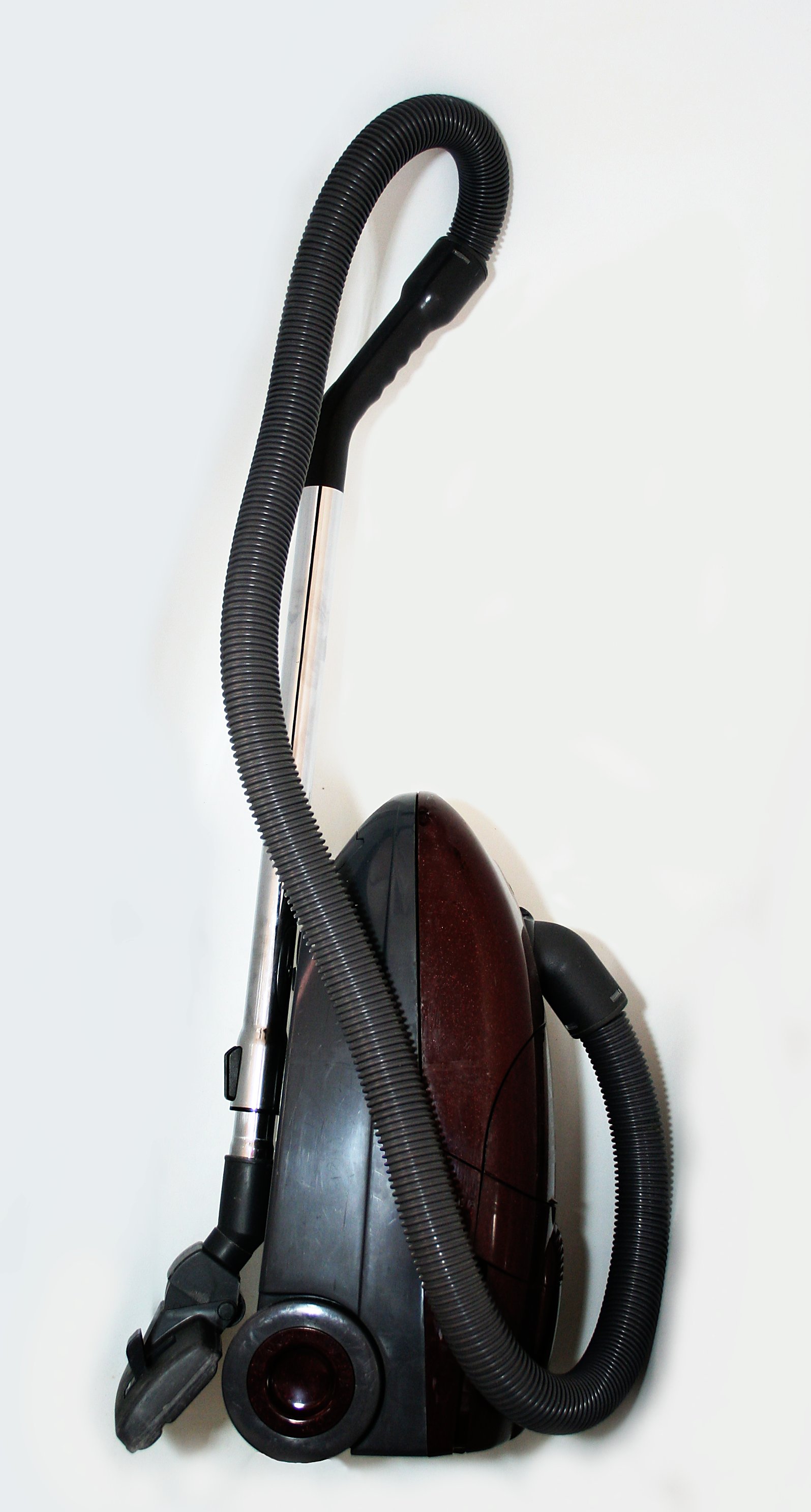 Floor care becomes easier when high-traffic zones receive small interventions between full weekly passes. Image: Che, Wikimedia Commons, CC BY-SA 2.5.
Treat bedrooms as reset-and-linen zones
Bedrooms often need less chemical cleaning and more control of textiles, dust, and clutter. A weekly bedroom routine can include changing bed linens at the interval appropriate for your household, putting clothing away, clearing bedside surfaces, dusting accessible furniture, and vacuuming or cleaning the floor. If under-bed storage creates a dust trap, add the area to a rotation rather than dragging everything out every week.
Keep laundry connected to the bedroom routine. Clothing that is neither clean enough to return to storage nor dirty enough for the hamper often creates the familiar “chair pile.” Solve the category problem instead of cleaning around it. Add hooks, a small re-wear basket, or another defined location. The goal is not more storage for clutter; it is a clear destination for items that repeatedly become clutter.
Use the living room as a clutter-control test
Shared living spaces reveal whether the home has workable storage. If the coffee table repeatedly fills with chargers, mail, toys, remote controls, cups, and hobby items, weekly cleaning alone will not solve it. Before dusting, ask whether each recurring object has a convenient home near where it is used. A small basket for controllers or a charging station can eliminate dozens of weekly decisions.
Once the room is clear enough to clean, dust major surfaces, wipe appropriate high-touch areas as needed, straighten textiles, vacuum upholstery on a suitable rotation, and clean the floor. Inspect beneath cushions for debris. Rotate deeper tasks such as washing removable covers according to care labels, cleaning window treatments, moving large furniture, and detailed baseboard cleaning. A living room should not require complete disassembly every week.
Add entryways and drop zones to the schedule
Dirt enters the house before it reaches the floor-cleaning schedule. Keep entryways functional with mats, a place for shoes when your household removes them, hooks or storage for frequently used outerwear, and a defined spot for bags and keys. Shake out or vacuum mats as needed and clean the floor around the door more frequently than low-traffic spaces. A five-minute entry reset can reduce debris throughout the rest of the home.
Treat paper and packages as part of cleaning because they create surface clutter. Open mail near recycling, immediately discard obvious packaging, and place action items in one defined location. Do not build a weekly ritual around moving the same unopened envelopes from one surface to another. Cleaning gets faster when decisions happen at the point of entry.
Create a rotating deep-clean list with only a few tasks per week
Deep cleaning becomes sustainable when it is a rotation, not a second weekly checklist. List tasks that matter every month, quarter, season, or according to manufacturer guidance, then choose one to three each week depending on size. Examples include washing interior windows, cleaning range-hood filters, wiping cabinet fronts, cleaning behind accessible appliances, vacuuming under large furniture, detailing baseboards, washing certain washable curtains, cleaning ceiling fans, decluttering one drawer, or checking less-used spaces.
Do not assign arbitrary frequencies just because a printable says “monthly.” Observe your home. A range-hood filter in a kitchen used for high-heat cooking may need attention more often than one in a lightly used kitchen. A guest-room ceiling fan may need less. Mark the date when you perform a rotating task, then adjust when you see how long it takes to become visibly dirty again.
Keep the rotation small enough that skipped weeks do not create guilt. If you miss a task, move it forward; do not double the next session. A routine that survives interruptions is more valuable than a perfect calendar that collapses after one vacation or busy week.
Know when cleaning is enough and when disinfection is justified
The CDC’s current household guidance states that in most situations, regular cleaning is enough to help prevent the spread of germs. Cleaning removes dirt and many germs; sanitizing reduces remaining germs to safer levels; disinfecting kills remaining germs when used correctly. The agency says routine disinfection is generally not needed unless someone is sick, someone at higher risk is in the home, or another specific situation makes it appropriate.
When disinfection is needed, clean the surface first unless the product label provides a combined process, use an appropriate registered product, read the label, provide ventilation, use recommended protective equipment, and respect the stated contact time—the period the surface must remain wet for the product to work as intended. Never invent a contact time or assume an immediate wipe is equivalent.
Keep disinfectants out of reach of children and pets, and do not use them on people or animals. If bleach is appropriate for the task, follow current public-health and product-label instructions rather than memorizing a homemade dilution from an old checklist. Product concentrations and recommendations can differ. The safest schedule is one that points you back to the correct label and current guidance when a special situation occurs.
Color-code or separate cloths to prevent cross-contamination
You do not need an elaborate commercial color system, but it helps to prevent the same cloth from moving directly from a toilet area to a kitchen counter. Assign dedicated cloths or cleaning tools to bathrooms and food-preparation areas, or use a simple color convention that everyone in the home understands. Change cloths when they are visibly soiled or have been used for a task that should not be transferred elsewhere.
After use, launder reusable cloths according to their care instructions and dry them completely. Keep clean and dirty cloths separate. A caddy full of damp used cloths is not a clean storage system. If disposable materials are necessary for a specific contamination event, dispose of them appropriately. The principle is simple: your tool should remove soil, not become a vehicle for spreading it.
Give each person ownership instead of asking for vague “help”
In shared homes, assign outcomes rather than waiting for one person to notice everything. “Clean the downstairs bathroom by Thursday” is clearer than “help with cleaning.” Children can own age-appropriate tasks such as returning toys, putting laundry in a hamper, wiping a safe surface with an appropriate method, or helping sort items. Adults can own complete zones or recurring tasks. The exact division does not have to be equal by task count; it should be fair in time, difficulty, and availability.
Rotate unpleasant tasks if nobody wants permanent ownership. Use a visible schedule or shared app only if it reduces discussion; the tool should not become another system that requires maintenance. When a task is repeatedly missed, diagnose the obstacle. It may be assigned to the busiest day, require supplies stored elsewhere, or lack a clear finish condition. Redesign before concluding that the person simply needs more reminders.
Use a “minimum viable clean” for difficult weeks
A resilient schedule has an emergency low-effort version. Decide in advance what you will do when work, illness, travel, caregiving, or exhaustion destroys the normal plan. A minimum viable clean may include food safety, dishes and sink, trash, one usable bathroom, essential laundry, obvious spills, and a quick pass on the dirtiest floor zones. Everything else can wait.
This prevents the all-or-nothing trap in which missing the full routine leads to doing nothing. When life normalizes, resume the standard schedule instead of trying to repay a “cleaning debt” in one exhausting day. Use the deep-clean rotation to catch up gradually. Homes are lived in; a maintenance system should expect disruption.
Track bottlenecks for two weeks
Do not optimize a schedule before you know what actually consumes time. For two weeks, record the tasks that overrun, the rooms that become dirty fastest, and the chores people avoid. Notice whether the problem is cleaning, clutter, storage, supplies, appliance performance, or unrealistic frequency. You may discover that the kitchen routine fails because the dishwasher is always full of clean dishes at dinner time, or that vacuuming is delayed because the vacuum is difficult to retrieve.
Change one bottleneck at a time. Empty the dishwasher at a more useful point in the day. Store bathroom supplies closer to the bathroom. Reduce decorative objects on a surface that takes too long to dust. Add a hamper where clothes actually collect. Repair the slow-draining sink rather than cleaning around it. Good housekeeping often comes from better system design rather than more effort.
Build a realistic seven-day example
Use this as a pattern, not a rule. Monday can be a 15-minute living-area reset and dust of visible surfaces. Tuesday can handle one bathroom. Wednesday can cover bedroom linens and a bedroom floor pass. Thursday can be the second bathroom or an entryway and paper reset. Friday can remain intentionally light with only the daily reset. Saturday can combine kitchen maintenance and whole-home floors. Sunday can be a 15-minute planning check plus one rotating deep-clean task. If your workweek is different, shift the days.
The important feature is distribution. No day carries the entire house, and every active area receives attention before buildup becomes difficult. If you prefer one cleaning block, combine the same tasks in a logical order. If you have a large household, divide zones among people so several tasks happen in parallel. Frequency should follow use and visible need, not the names of weekdays.
Make the schedule easier by reducing what must be cleaned around
Every object stored on a counter, dresser, floor, or open shelf increases cleaning friction. This does not mean you need a minimalist home. It means high-maintenance surfaces should earn their contents. If you move twelve small objects every time you wipe a bathroom counter, consider whether all twelve need to live there. If toys cover the floor each night, create storage that a child can actually reach and use.
Do not confuse decluttering with organizing. Organizing assigns a place to what you keep; decluttering reduces the number of things requiring a place. Before buying bins, remove obvious trash, expired products, duplicate low-value items, and things that belong elsewhere. Then design storage around the remaining behavior. The easiest home to clean is not necessarily the emptiest—it is the one where surfaces and floors can become accessible quickly.
Handle cleaning products as a small safety system
Store products where temperature and ventilation conditions meet label directions and where children or pets cannot access them. Do not transfer products into beverage containers. Keep labels readable. If you use diluted solutions allowed by the manufacturer or public-health guidance, label them and follow instructions about preparation and storage life. Dispose of products according to label and local requirements rather than pouring unknown mixtures together.
If strong odors, fumes, or respiratory irritation occur, stop and get fresh air as appropriate. Some cleaning and disinfecting products can trigger asthma or irritate eyes and skin. More product is not automatically more effective. Use the amount, dilution, application method, and contact time specified for the job. When ordinary soap or detergent cleaning is sufficient, stronger chemistry may add risk without adding useful cleaning.
Adapt the routine for pets
Pets change the distribution of hair, dander, tracked soil, food residue, and odors. Instead of simply increasing every cleaning frequency, identify the zones that create the load. Vacuum or sweep around feeding areas and favorite resting places more often. Wash pet bedding according to its care instructions. Clean bowls appropriately. Keep litter areas or cages on their own schedule and use products that are appropriate for the animal and surface.
Never assume a disinfectant that is safe for a hard surface should be used on a pet. The CDC specifically warns against wiping or bathing pets with disinfection products. If an animal has a medical condition, parasite issue, or contagious illness, follow veterinary guidance for environmental cleaning rather than improvising with stronger chemicals.
Adapt the routine for allergies or respiratory sensitivity
People with allergies, asthma, or fragrance sensitivity may need a routine that emphasizes source control, dust capture, ventilation where appropriate, and low-irritant products. Vacuuming technique, filter maintenance, washable bedding, entryway control, and reducing dust reservoirs can matter as much as wiping surfaces. Avoid assuming that a “fresh” smell proves cleanliness; fragrance is not a measurement of hygiene.
If a household member has asthma or another respiratory condition, review product warnings and relevant medical guidance. Consider EPA Safer Choice-certified products where they fit the task, including fragrance-free options listed by the program. A cleaning schedule should improve the living environment, not create symptoms through unnecessary sprays or fumes.
Adapt the routine for small apartments
Small homes get cluttered quickly because every object occupies a larger percentage of the visible space, but they can also be cleaned quickly if storage works. Use a compact caddy, keep floor tools easy to access, and avoid buying multiple products for tasks one suitable cleaner can handle. Because the kitchen and living area may share one room, food debris can migrate farther; a short daily floor pass in the cooking zone can prevent this.
Do not over-schedule a small apartment. A 30- to 60-minute weekly maintenance block plus daily resets may be enough depending on household size and habits. Use your observed soil level as the guide. Spend the saved time on occasional detail cleaning instead of inventing more weekly tasks.
Adapt the routine for large or multi-level homes
Large homes become inefficient when tools constantly travel between floors. If budget and storage allow, keep inexpensive frequently used supplies such as cloths or a basic bathroom kit near the relevant zones. You do not necessarily need duplicate vacuums, but reducing repeated stair trips can save time. Divide the home into zones and assign different days or people rather than trying to sweep through every room at once.
Low-use rooms should not receive the same weekly attention as the kitchen. Close doors where appropriate, monitor guest spaces, and clean them before or after use. Put your best effort where activity creates soil. A large house is manageable when frequency is demand-based; it becomes exhausting when every square foot is treated as equally urgent.
Know what not to include in a weekly routine
Some jobs belong to maintenance, repair, or specialist care rather than ordinary cleaning. Persistent mold caused by water intrusion, damaged electrical components, major pest infestations, sewage contamination, large hazardous-material spills, and surfaces that require specialized restoration should not be treated as “clean harder” problems. A schedule is useful only when it recognizes its limits.
Likewise, do not make high-risk access tasks routine. Cleaning exterior upper-story windows, unstable high fixtures, roofs, or difficult ladders requires appropriate equipment and judgment. If a task cannot be done safely with the tools and skills available, change the method or use a qualified service. A clean home is not worth a fall or chemical injury.
Troubleshoot a routine that keeps failing
If the home is messy again immediately, separate dirt from clutter. Dirt may indicate that the task frequency is too low or the source is uncontrolled. Clutter often means objects lack convenient homes. If cleaning takes too long, measure setup time and reduce tool changes. If one person does everything, redistribute ownership. If nobody follows the schedule, reduce the number of tasks until the plan fits real life.
If you constantly postpone a particular room, make the first step tiny. Instead of “clean bathroom,” define “clear counter and apply cleaner.” Starting friction often matters more than task difficulty. If a chore is unpleasant because of a broken tool, poor lighting, awkward storage, or a product you dislike using, fix that condition. Do not demand more willpower from a system that is designed badly.
Audit the schedule once a month
At the end of four weeks, look at what you actually did. Remove tasks that did not need the assigned frequency. Increase attention where buildup appeared too quickly. Move chores away from days that were consistently busy. Check supplies before they run out, wash or replace worn cleaning tools as appropriate, and choose the next few rotating deep-clean tasks. This audit should take about ten minutes, not become a management meeting.
Seasonal changes can alter the plan. Pollen, muddy weather, heating season, open windows, school schedules, holidays, or shedding pets may change which areas get dirty. Your schedule should adapt instead of pretending the house behaves identically all year.
A practical 60-minute weekly reset for a small home
When time is limited, use a fixed sequence. Spend five minutes collecting trash and obvious clutter. Use ten minutes on the bathroom’s highest-priority surfaces. Use fifteen minutes on kitchen maintenance beyond the daily reset. Use ten minutes dusting the most visible surfaces and straightening the main living area. Use fifteen minutes on floors, concentrating first on traffic zones. Use the remaining five minutes to replace towels, empty small bins, put supplies away, and choose one tiny rotating task if time remains.
This is not enough for every home, but it demonstrates prioritization. The routine preserves sanitation, usability, and visible order before detail work. If you finish early, add one deeper task. If you run out of time, stop and carry only the highest-value unfinished item forward. The schedule works because it has an end.
Common mistakes that make cleaning harder
- Cleaning around clutter: surfaces stay partially dirty and every task takes longer.
- Using too much product: excess cleaner can leave residue and may require extra rinsing.
- Mixing chemicals: this can create dangerous reactions; follow labels and do not improvise mixtures.
- Disinfecting everything: routine cleaning is enough in many household situations, according to CDC guidance.
- Using one cloth everywhere: soil and contamination can move from one zone to another.
- Saving every chore for one day: small daily resets prevent weekend overload.
- Copying a generic frequency: your home’s traffic, pets, surfaces, and habits should determine the schedule.
- Ignoring maintenance problems: leaks, failing ventilation, damaged grout, and weak vacuum performance cannot be solved by more wiping.
Frequently asked questions
Do I need to disinfect my home every day?
Usually not. CDC household guidance says regular cleaning is sufficient in most situations and that disinfection is more relevant when someone is sick, a high-risk person is present, or another specific contamination concern exists. Clean first, then sanitize or disinfect when the situation calls for it, following the product label.
How often should I clean my bathroom?
There is no single interval that fits every household. A frequently used bathroom may benefit from a weekly full circuit plus small spot cleaning during the week, while a lightly used guest bathroom may need less. Increase frequency if visible soil, odor, hair, residue, or moisture builds up sooner.
Is it better to clean one room per day or the whole house at once?
Either method can work. One-room-per-day schedules reduce long cleaning sessions and may fit busy weekdays. Whole-home sessions reduce repeated setup and can be efficient when you batch similar tasks. Choose the method that you can repeat for at least a month without routinely skipping it.
How many cleaning products do I really need?
Often fewer than people expect. Build around your actual surfaces and special needs, then follow labels. An all-purpose product suitable for several compatible surfaces, a bathroom or toilet product where needed, dish detergent or soap, floor care appropriate to your flooring, and specific specialty products may cover many homes. Never use a multipurpose cleaner on a surface unless its label and the surface manufacturer allow it.
How do I keep a schedule when I hate cleaning?
Reduce the session length, attach it to an existing habit, use a timer, keep tools convenient, and define a small finish line. Cleaning is easier to repeat when you stop before exhaustion. A 15-minute routine done four times is often more effective than a two-hour plan that you avoid for three weeks.
Should I clean before I sanitize or disinfect?
Yes in general. CDC guidance explains that dirt and impurities can interfere with sanitizing or disinfecting, so surfaces should be cleaned first unless you are following a product specifically designed and labeled for a combined process. Always follow the product’s directions.
Your first week: keep it deliberately simple
For the first seven days, do not attempt the final version of your routine. Pick one daily reset time, one weekly cleaning block, and only one rotating deep-clean task. Measure how long they take. Notice where supplies are inconvenient and where clutter blocks access. At the end of the week, move tasks that were assigned to bad days and remove anything that added little value.
The most important mistake to avoid is designing for your most motivated day. Design for an ordinary Wednesday when you are tired, busy, and not excited about housework. If the routine still works then, it is likely to survive. Start tonight with one 10-minute reset: dishes, food surfaces, obvious clutter, and the dirtiest floor zone. Tomorrow will already be easier.
Sources and further reading
- CDC: When and How to Clean and Disinfect Your Home — current household guidance on cleaning, sanitizing, disinfecting, surface types, and product safety.
- CDC: Cleaning and Disinfecting — overview of when ordinary cleaning is enough and when disinfection is appropriate.
- U.S. EPA Safer Choice — program for identifying products that meet Safer Choice ingredient and performance criteria.
- EPA Safer Choice Certified Products — searchable certified-product list.
- Wikimedia Commons: Spray cleaner.jpg — CC BY-SA 4.0.
- Wikimedia Commons: Dirty microfiber cloth.jpg — CC0 1.0.
- Wikimedia Commons: Vacuum cleaner.jpg — CC BY-SA 2.5.