

How to Plan a Safe, Consent-Based Senior Tag Game
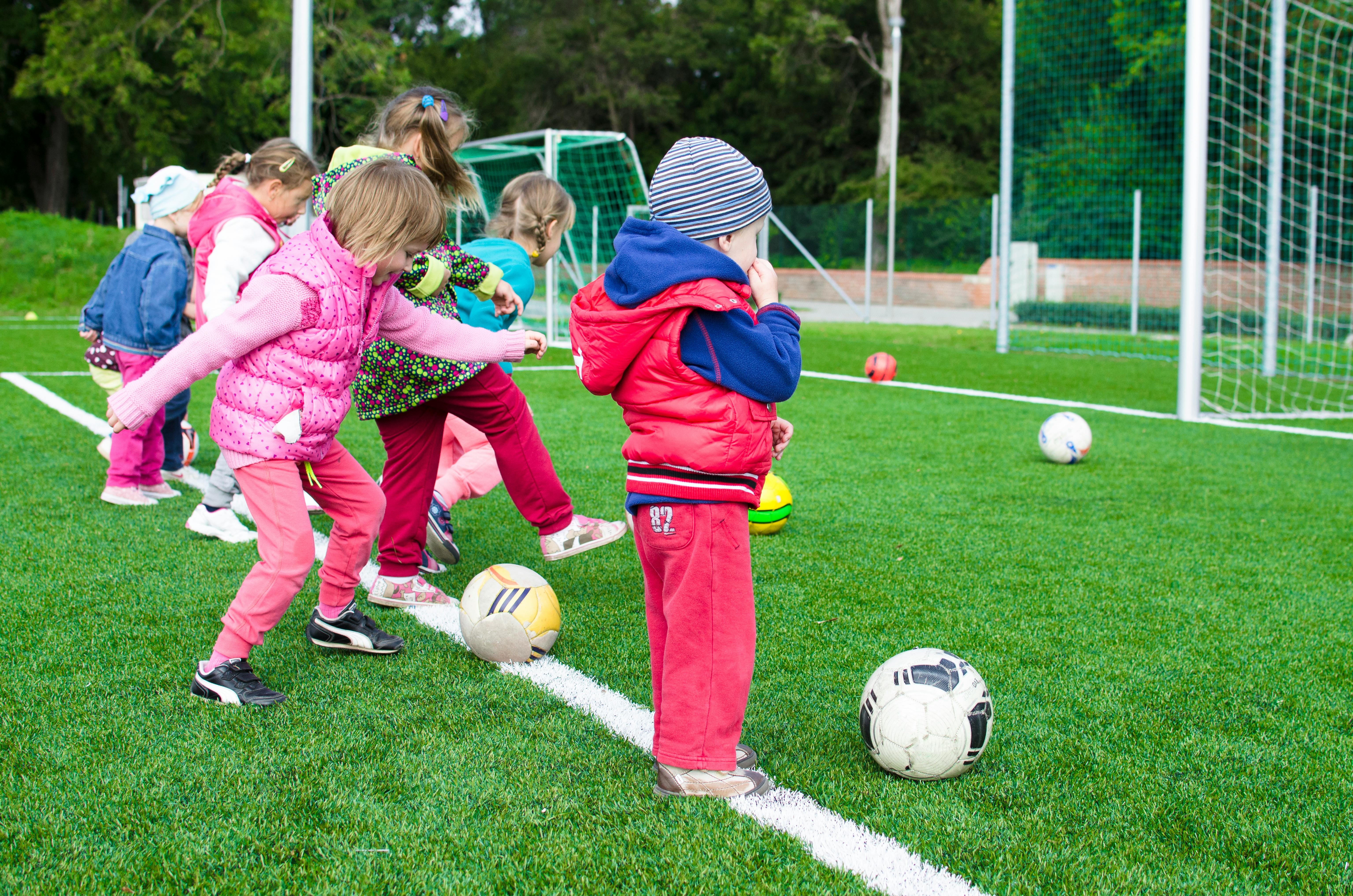
Some graduating classes organize elimination-style tag games, sometimes under a violent-sounding name. The safest version removes weapon imagery, stalking, trespassing, and surprise confrontations. Call it Senior Tag, make participation optional, and obtain explicit school and caregiver approval before planning. If administrators or local rules prohibit it, choose a different celebration.
Use harmless game mechanics
Choose a clearly nonviolent action such as attaching an approved sticker to a visible game badge, photographing a team at a public checkpoint, or checking in through an organizer. Do not use realistic or toy weapons, projectiles, water attacks, vehicles, restraints, physical tackling, or substances. No game point is worth injury, panic, property damage, or police involvement.
Require informed, ongoing consent
Give participants the full rules, schedule, data practices, and risks before they opt in. Provide a simple way to pause or withdraw without ridicule. Nonparticipants are never targets, and a participant who says “stop” is immediately off-limits. Obtain any permissions required for minors, venues, photographs, and school branding.
Create strict no-play zones and times
Prohibit play in homes, workplaces, classrooms, healthcare settings, religious sites, bathrooms, locker rooms, parking areas, public transport, and anywhere driving or machinery is involved. Ban play after dark and during emergencies, exams, performances, and family events. Nobody may enter private property, follow a person, hide near their home, track a device, or pressure friends for location details.
Protect privacy
Use the minimum information needed to run the game. Do not publish addresses, live locations, schedules, phone numbers, license plates, or private social posts. Keep participant lists with responsible organizers and delete them after the event. Require permission before posting images, and offer a no-photo option.
Put adults and accountability in place
Assign trained adult coordinators, a reporting contact, and a clear process for disputes or unsafe behavior. Communicate with school leaders, venue staff, and families so an activity is not mistaken for a threat. Rules should impose immediate removal for harassment, discrimination, reckless driving, trespass, deception about emergencies, or refusal to respect boundaries.
Choose community over winning
Keep prizes modest and recognize teamwork, kindness, and safe participation. Offer supervised challenges at scheduled locations so success does not depend on surveillance or ambush. End with an inclusive gathering. A graduation tradition succeeds when everyone returns home safe and the class is remembered for good judgment—not for frightening the community.