

How to Build a Safe and Manageable School-Day Routine
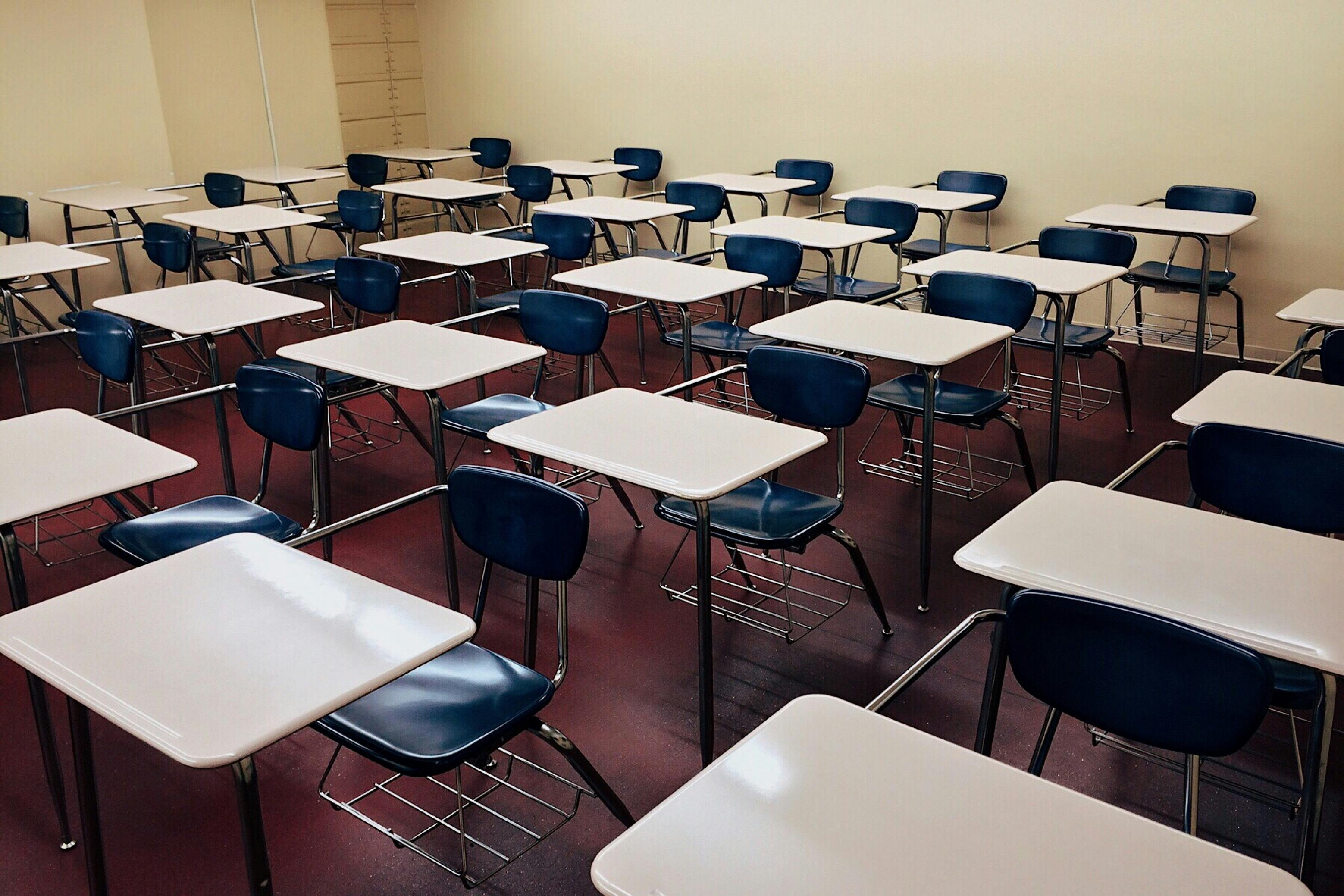
Going to school involves more than reaching a building. A useful routine covers preparation, transportation, learning, relationships, and the trip home. Your plan should match your age, local conditions, access needs, and family or school rules. Ask a trusted adult for help whenever travel or attendance feels unsafe.
Prepare the night before
Check the timetable, weather, transport notices, and special activities. Pack completed work, charged devices, approved medication, water, and needed accessibility items. Choose suitable clothing under school policy and set a realistic bedtime. Keep valuables and unnecessary personal information at home.
Use an agreed travel plan
Know your route, departure time, backup transport, and who to contact if plans change. Use seat belts and helmets where appropriate, follow crossing rules, and avoid headphones when you need traffic awareness. Never accept an unexpected ride without following your family’s check-in rules. If someone follows, threatens, or makes you uncomfortable, move toward a staffed public place and contact a trusted adult or emergency service as appropriate.
Arrive ready to orient yourself
Allow enough time to enter through approved areas, store belongings, and reach class. New students can carry a map or ask designated staff for directions. Learn where the main office, counselor, nurse, accessible facilities, and emergency exits are. Follow visitor and security procedures rather than holding secure doors open for unknown people.
Manage the learning day
Record assignments in one reliable place, ask questions when instructions are unclear, and use breaks for food, water, movement, or quiet recovery. Follow your accommodation or health plan. If you are ill, overwhelmed, bullied, or unsafe, contact the relevant staff member instead of disappearing from campus or handling the situation alone.
Practice respectful boundaries
Be courteous without feeling required to share personal details, physical affection, homework answers, or passwords. Ask before borrowing, photographing, or posting about someone. Resolve ordinary disagreements calmly; report harassment, discrimination, threats, sexual comments, or unwanted touching to a trusted adult.
Close the day deliberately
Use the approved pickup or travel plan and communicate delays. At home, unpack notices, charge equipment, and identify the next day’s priorities before relaxing. If attendance is difficult because of anxiety, illness, disability, family circumstances, or safety concerns, involve caregivers and school support staff. The solution should address the barrier—not shame the student.