

How to Build a Model Pyramid for a School Project
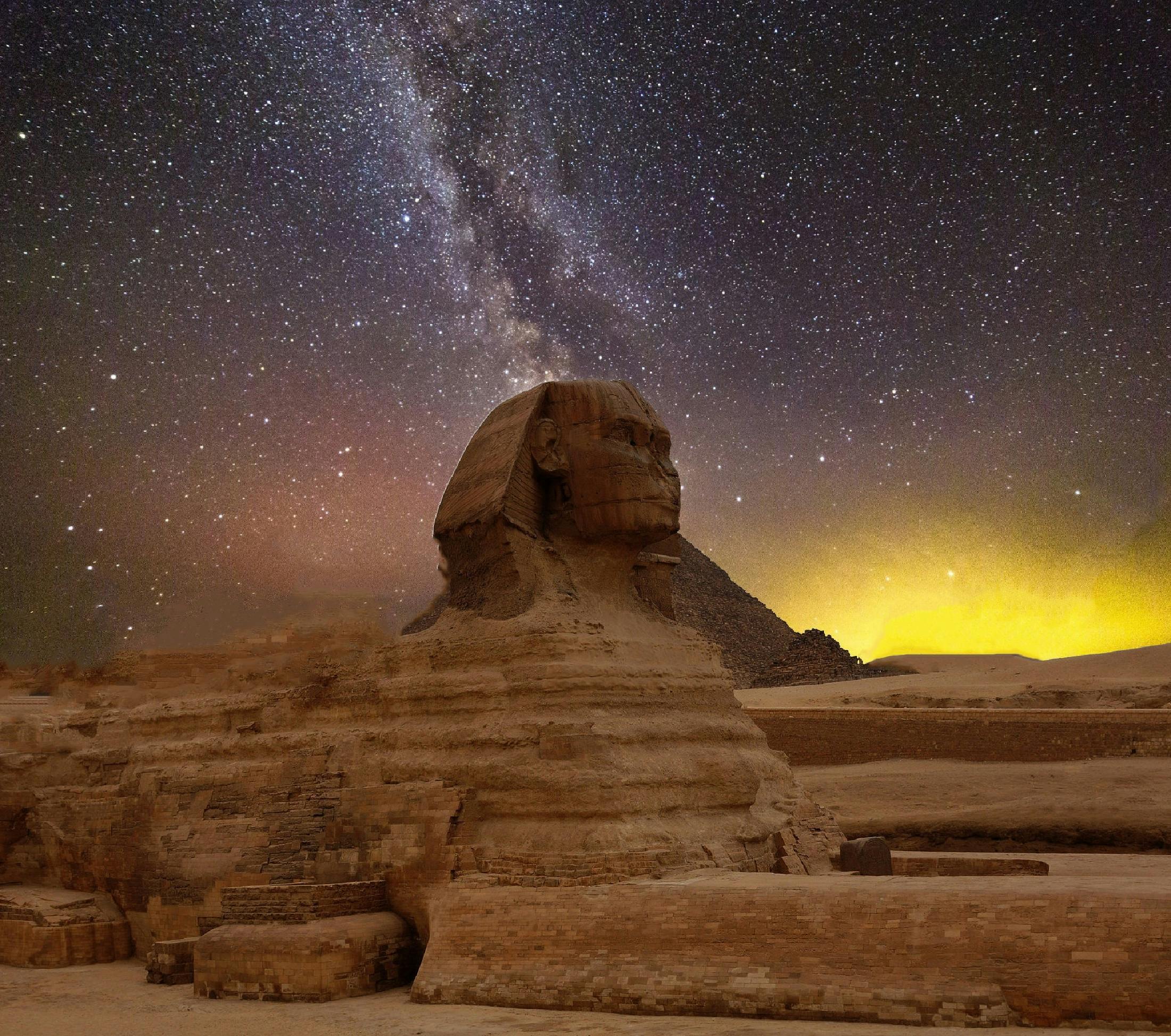
A model pyramid can combine geometry, design, and historical research. Before choosing materials, read the assignment carefully: your teacher may want a geometric solid, a model inspired by an ancient civilization, or a cross-section showing internal spaces. The plan below can be adapted to each goal.
Research before you build
Identify the pyramid you are representing and use reliable museum, textbook, or educational sources. Ancient pyramids appeared in multiple societies and served different purposes. Avoid blending unrelated cultures into one generic design. Record the location, approximate period, materials, function, and distinctive features, then cite your sources in the format your teacher requests.
Choose safe materials
Cardstock, corrugated cardboard, recycled packaging, paper tape, ruler, pencil, water-based paint, and school glue are usually practical. Use child-safe scissors. Craft knives, hot-glue tools, aerosol paint, and heavy cutting should only be used if your school permits them and a responsible adult directly supervises. Protect the work surface and follow product labels.
Create the geometry
For a square pyramid, draw one square base and four matching isosceles triangles. Decide the base width and slant height first, then add narrow glue tabs along selected edges. A paper prototype helps reveal measurement errors before you cut the final material.
- Draw the net with a ruler and check that all four triangular faces match.
- Cut along the outside outline.
- Score fold lines gently with a blunt tool rather than cutting through them.
- Fold the faces upward, place glue on the tabs, and hold or tape them until secure.
- Attach the pyramid to a stable display base.
Add meaningful detail
Texture can suggest stone blocks, but accuracy matters more than decoration. Use drawn lines, thin paper layers, or a light sand-and-paint texture if approved. Add a scale figure, map, compass direction, or labeled cross-section only when supported by evidence. If you show chambers, explain that your model simplifies a complex structure.
Do not remove sand, stone, or artifacts from archaeological or protected sites. A model should encourage respect for cultural heritage, not treat it as a costume or fantasy setting.
Present the learning
Create a small label with the pyramid’s name, civilization, dates, scale, and two or three researched facts. Distinguish fact from interpretation; archaeologists sometimes revise conclusions as evidence changes. Include a bibliography and label any creative choices that are not historically documented.
Finally, test stability, clean stray glue, check spelling, and transport the model in a box larger than its base. A successful project is not merely neat. It demonstrates how mathematical planning, careful construction, and responsible historical research work together.