

A Thoughtful Guide to 2000s Nostalgia
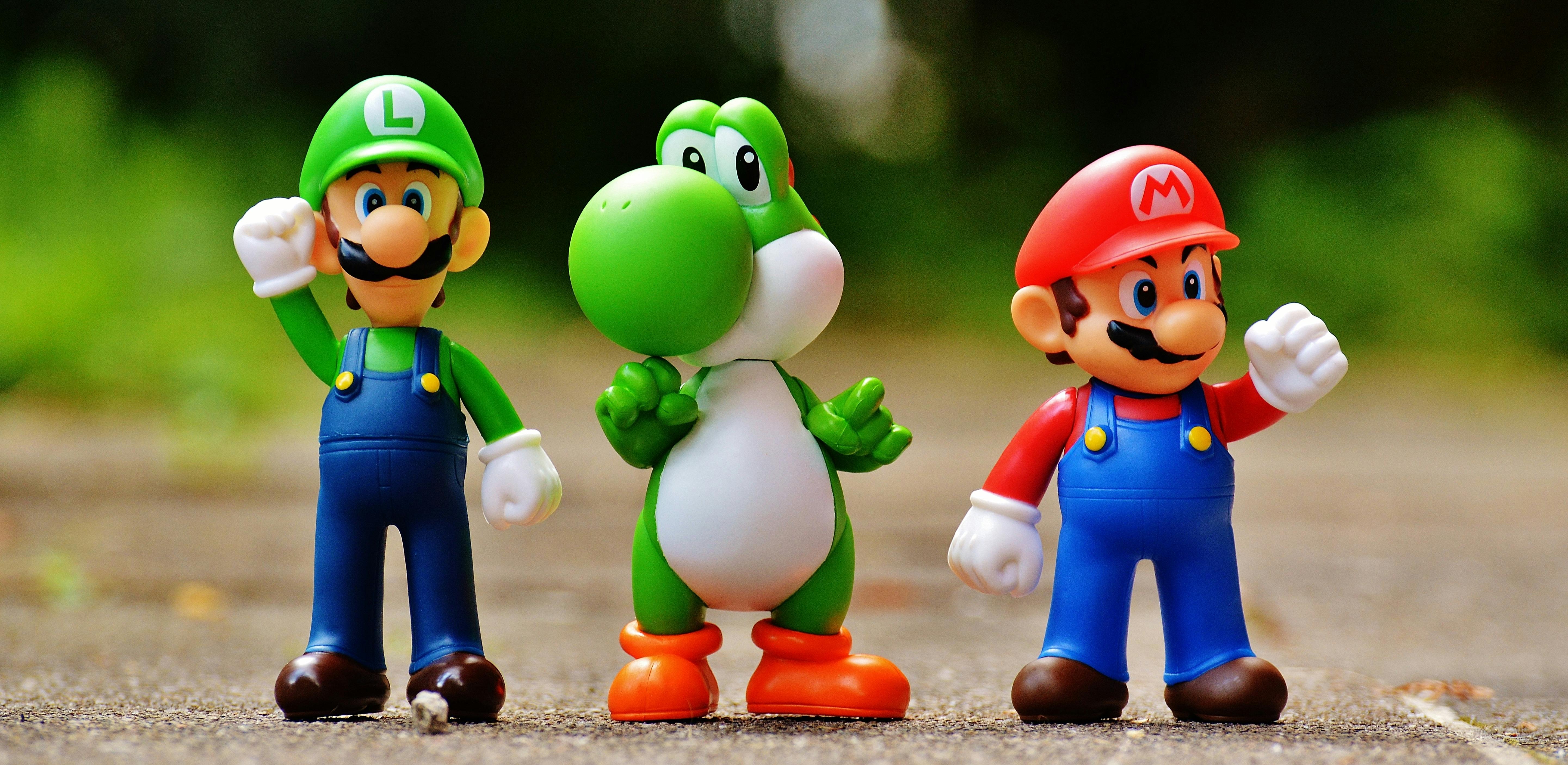
The 2000s are now a source of nostalgia: flip phones, portable music players, glossy magazines, early social networks, bold fashion, and after-school television. Revisiting the era can be fun, but nostalgia is selective. It combines real memories with trends revived by people who may have been very young—or not yet born—at the time.
Remember how technology felt
Much of the decade was a bridge between offline and constantly connected life. Families shared desktop computers, texts could be limited, photos lived on digital cameras, and music was moved between CDs and portable players. Websites were less polished, and online identities often centered on usernames, blogs, forums, and customizable profiles.
That world was not automatically safer. Viruses, scams, cyberbullying, and weak privacy controls were common. If you experiment with old devices or websites, avoid unsupported software for sensitive accounts, do not share personal details, and ask permission before posting someone else’s old photographs.
Explore culture beyond a checklist
There was no single 2000s experience. Music, television, games, slang, and clothing varied by country, community, age, income, and access to technology. A useful nostalgia project might compare family memories with archived advertisements, charts, newspapers, or museum collections.
- Make a playlist that credits artists and explores more than one genre.
- Borrow films, books, or games legally through a library or licensed service.
- Interview an older relative about daily routines, not only famous trends.
- Create a timeline connecting entertainment with major social and technological changes.
Try the style without copying its problems
Fashion revivals can use layered tops, colorful accessories, denim, sporty pieces, or metallic details. Choose items you genuinely like, use secondhand options where possible, and adapt them for comfort and school rules. You do not need a certain body type or gender expression to enjoy an aesthetic.
Some media from the era relied on body shaming, sexism, racism, homophobia, or harsh celebrity coverage. Enjoying a song or silhouette does not require repeating those attitudes. Discussing what has changed can make nostalgia more thoughtful.
Preserve memories responsibly
Old discs, photographs, and devices can deteriorate. With permission, scan family images, organize files, and keep backups in more than one place. Label people and dates while someone still remembers them. Recycle electronics through an approved program rather than throwing batteries or devices into household waste.
Use nostalgia as a doorway
The best revival is not a claim that everything was better. The decade included creativity and connection, but also inequality, conflict, and technologies that created new risks. Ask whose stories are missing and which innovations shaped life today.
You can enjoy a themed evening, playlist, outfit, or game while remaining curious about the real history. Nostalgia becomes richer when it is less about escaping the present and more about understanding how ordinary objects and shared culture carry memory forward.