
Essential Skills and Professional Standards for Excellent Housekeeping
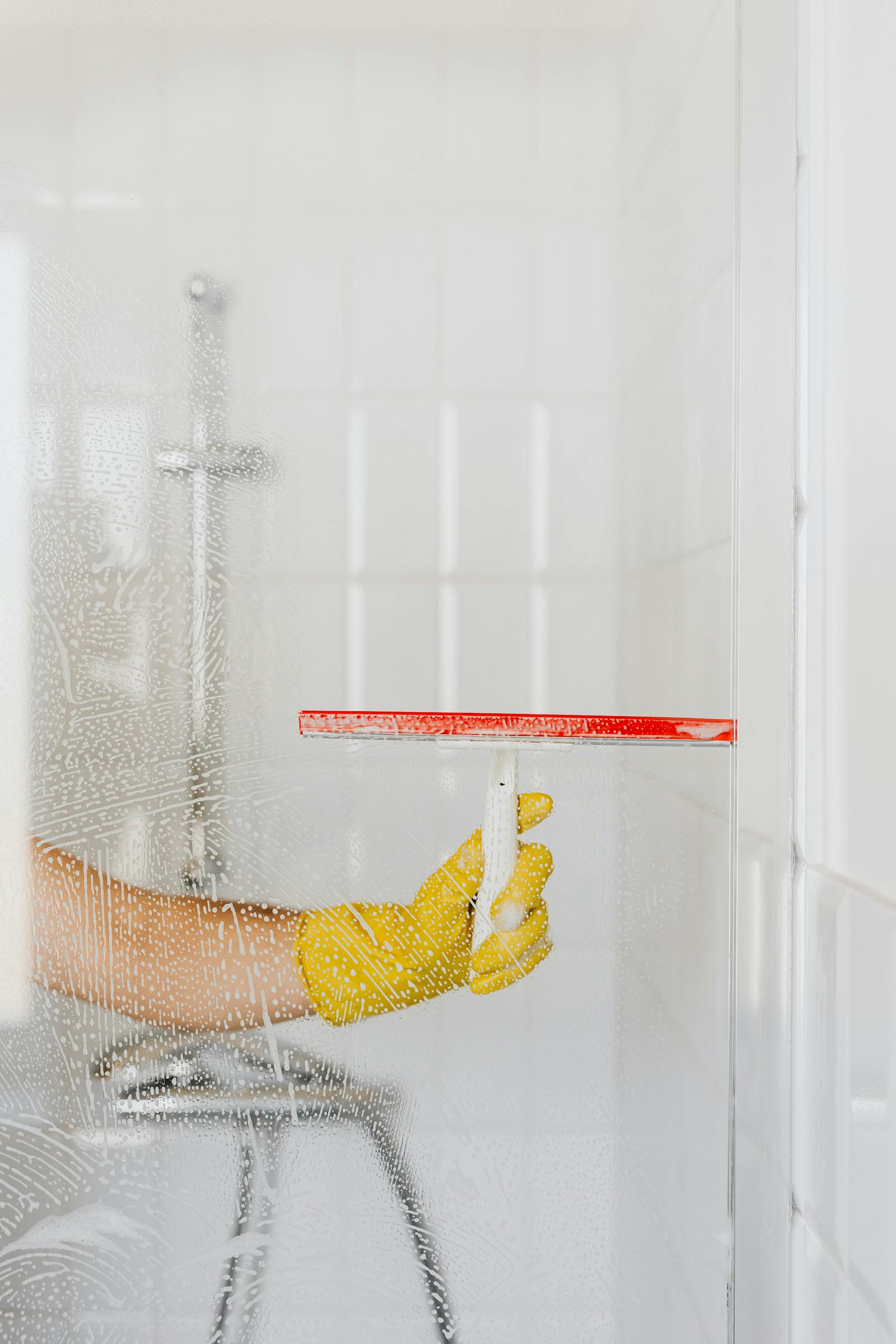
Essential Skills and Professional Standards for Excellent Housekeeping
Excellent housekeeping is a skilled profession that protects health, preserves property, upholds dignity, and shapes the daily experience of guests, residents, patients, students, and colleagues. This guide sets out practical standards for professional mindset, safe chemical use, infection prevention, room workflows, respectful service, quality assurance, and career growth. Every recommendation assumes you follow your employer’s written procedures, product labels, Safety Data Sheets, and applicable local regulations. Cleaning reduces soil and some germs; sanitizing lowers specified microorganisms to safer levels on food-contact surfaces; disinfecting kills or inactivates a broader range of pathogens on hard nonporous surfaces when the product is used exactly as directed, including correct dilution, contact or dwell time, and surface compatibility. No cleaning process replaces clinical care or guarantees disease prevention.
Professional Mindset and Daily Accountability
A professional housekeeper treats every assignment as a trust. You enter spaces that belong to other people, handle their belongings, and leave those spaces safer and more orderly than you found them. Accountability begins before the shift: arrive ready, in clean uniform or approved attire, with hair secured if required, jewelry minimized to reduce snag and contamination risks, and nails kept short and clean. Review the assignment board, room status system, or work order list carefully. Note special requests, allergy flags, do-not-disturb overrides that have expired, maintenance holds, and any isolation or enhanced cleaning designations. Carry only approved supplies; never improvise with unlabeled bottles or personal products.
Integrity shows in small choices. If a guest leaves cash on a dresser, leave it untouched and report it according to lost-property rules rather than “tidying” it into a drawer. If you break a glass, stop, secure the area, and follow breakage and disposal steps instead of hiding the fragments. If a chemical smells wrong or a label is missing, quarantine the container and notify a supervisor rather than guessing. Professionals also protect their own reputation by documenting completed work honestly, declining shortcuts that skip dwell times, and speaking up when staffing or supply shortages make safe completion impossible within the allotted time.
Emotional steadiness matters. Housekeeping work can involve bodily fluids, clutter, strong odors, and occasional rude behavior. Separate the task from personal judgment. Focus on methodical steps, respectful language, and leaving the space ready for the next occupant. Celebrate quiet excellence: a correctly made bed with hospital corners or hotel standards, a bathroom free of hair and scale, floors without swirl marks, and a cart restocked for the next room. Over time this mindset builds trust with supervisors, nursing staff, front desk teams, and clients who request you by name.
Room-Entry Etiquette and Privacy Protection
Privacy is a core professional standard. Knock firmly, announce yourself clearly using the script your workplace requires, and wait a full pause before entering. If you hear a voice, wait for permission. If a do-not-disturb sign is posted, do not enter unless your property’s policy and a supervisor authorize an override for safety or extended stay checks. In healthcare and some residential settings, follow additional infection-control or safeguarding entry rules posted on the door.
Once inside, prop the door open according to policy when working alone in guest rooms, or follow the two-person or visibility rule if required. Keep your body language purposeful and nonintrusive. Avoid opening drawers, luggage, closets, or personal bags unless the assignment specifically includes packing assistance or inventory under written instruction. Never use guest bathrooms for personal needs, never charge personal devices, and never sit on beds or sofas except as needed for linen changes. If a guest returns while you are working, greet them politely, offer to finish later, and leave promptly if they prefer privacy.
Photography of occupied rooms, guest belongings, or patient identifiers is prohibited unless your role includes authorized documentation under strict policy. Social media posts about specific rooms or residents are never appropriate. When working in private homes, confirm which areas are in scope, which cupboards may be opened, and whether pets should be secured. In education settings, respect locked offices and student belongings left on desks. Consistent etiquette protects both the occupant and your employment.
Risk Assessment Before and During Cleaning
Every room deserves a brief risk scan before you begin wet work. Look for wet floors already present, trailing cords, broken glass, sharps, uncontrolled medications, aggressive pets, unstable furniture, and biohazard indicators. Check ventilation: open windows if policy allows and outdoor conditions are safe, or confirm mechanical ventilation is operating. Identify chemical storage points and ensure your cart is stable and not blocking exits.
Dynamic risk assessment continues while you work. If a floor becomes slippery, place approved wet-floor signage immediately and control access. If you encounter an unidentified powder, spill of unknown origin, or strong chemical odor not related to your products, stop, withdraw, and report. In healthcare, follow transmission-based precautions posted for the room; do not rely on memory of previous visits. In kitchens, note hot equipment and grease risks. In stairwells and corridors, manage cords and buckets so others can pass safely.
Document hazards that require maintenance: loose carpet edges, nonfunctioning lights in bathrooms, missing grab bars, leaking toilets, and damaged electrical outlets. Your early report can prevent falls and fires. Never attempt electrical repairs or climb beyond approved step-stool heights. If a task exceeds your training—such as flood extraction, mold remediation beyond surface cleaning, or handling chemotherapy residues—stop and escalate.
PPE Selection, Chemical Safety, and Ventilation
Personal protective equipment is selected for the task and the product, not for appearance. Typical housekeeping PPE includes disposable or reusable gloves rated for the chemicals in use, eye protection when splashing is possible, aprons or gowns for heavy soil or isolation rooms, and closed-toe slip-resistant footwear. Change gloves between rooms or when moving from bathroom to bedroom surfaces if cross-contamination is a concern, and always after contact with blood or body fluids. Remove PPE carefully to avoid contaminating skin or clothing, and wash or sanitize hands according to workplace protocol.
Chemical safety starts with reading the label every time you open a new container or dilute a concentrate. Confirm the product is approved for the surface: many disinfectants damage marble, unsealed wood, or certain plastics. Use only the dilution ratio stated on the label or in the automatic dispensing system. Never estimate with “a splash more for tough jobs.” Over-concentration wastes product, increases residue, raises exposure risk, and can leave sticky films that attract dirt.
Ventilation reduces inhalation exposure. Use products in well-ventilated areas, avoid spraying toward your face, and prefer wipe-on methods when labels allow. Store chemicals upright, capped, away from food and guest reach, and never in unmarked spray bottles. Keep acids and bleach-based products physically separated on the cart. If you feel dizziness, throat irritation, or skin burning, move to fresh air, remove contaminated clothing carefully, rinse skin with water as directed by the SDS, and seek first aid or medical evaluation per employer procedure.
Never Mixing Chemicals
Mixing cleaning chemicals is one of the most dangerous mistakes in housekeeping. Combining bleach-containing products with ammonia, acids, or some glass cleaners can release chlorine gas or other toxic vapors that injure lungs within minutes. Mixing concentrates “to save time” can create heat, pressure, or unexpected reactions in bottles. Even products that seem similar may contain incompatible ingredients.
Use one product at a time on a surface unless the manufacturer explicitly states compatibility. Rinse thoroughly when switching chemistries if the label requires it. Empty and rinse spray bottles before refilling with a different approved product, and relabel immediately with the product name, dilution, and hazard information required by your workplace. Never pour leftover solutions back into concentrate containers. If a mix occurs accidentally, evacuate the immediate area, ventilate if safe, and notify a supervisor and emergency responders as trained—do not try to neutralize by adding another chemical.
Training should include recognition of bleach, quaternary ammonium compounds, hydrogen peroxide systems, phenolic products, and acid descalers by label, not by color or smell. Color alone is unreliable; manufacturers change dyes. Rely on the written name and hazard pictograms.
Safety Data Sheets, Labels, and Dwell Times
Safety Data Sheets provide first-aid measures, handling precautions, incompatible materials, and spill guidance. Know where SDS documents are kept—binder, intranet, or QR system—and how to access them quickly. Labels on secondary containers must remain legible. If a label peels, replace it before the next use. Follow any workplace secondary-container rules exactly.
Dwell time, also called contact time, is the period a disinfectant must remain visibly wet on a surface to achieve the claimed reduction of organisms listed on its label. Wiping a surface dry immediately after spraying usually fails to meet that requirement. Apply enough product to keep the surface wet for the full stated time, then allow to air dry or wipe only if the label permits. For sanitizers on food-contact surfaces, follow the specified concentration and any required rinse. Never claim a surface is “hospital sterile” after routine cleaning; use accurate language such as “cleaned and disinfected according to product directions.”
Temperature, soil load, and water hardness can affect performance. Heavy soil must be removed first because organic matter can interfere with many disinfectants. That is why the sequence clean then disinfect matters on visibly dirty surfaces. Always follow the employer’s approved product list; bringing personal disinfectants from home can violate policy and create unknown exposure risks.
Infection Prevention and Cross-Contamination Control
Cross-contamination moves microbes from dirty zones to clean zones via hands, cloths, gloves, and equipment. Break that chain with deliberate workflow and tool discipline. Clean from cleaner areas toward dirtier areas within a room when practical, and never use a bathroom cloth on a bedside table. Change cleaning cloths when they become heavily soiled, and do not dip a dirty cloth back into clean solution. Use fresh solution according to label or when it becomes cloudy.
Hand hygiene is nonnegotiable between glove changes, after waste handling, before leaving a room, and before eating. In healthcare and outbreak situations, follow additional PPE and sequence rules taught by infection prevention teams. Treat all blood and certain body fluids with standard precautions: stop, don appropriate PPE, contain, clean, then disinfect with an approved product effective for the organism of concern as directed by policy. Dispose of contaminated materials in the correct waste stream.
Shared equipment such as vacuum cleaners, floor machines, and carts can transfer soil between rooms. Wipe high-touch parts of equipment on a schedule, change vacuum bags or empty canisters without creating dust clouds, and never use guest towels as cleaning rags. If a room is under enhanced cleaning protocols, complete the full checklist even when the room “looks clean.” Appearance alone does not equal hygienic readiness.
High-to-Low and Clean-to-Dirty Workflow
Gravity and logic guide efficient hygienic cleaning. Dust and debris fall downward, so work from high surfaces to low surfaces: light fixtures and tops of wardrobes before headboards, desks before chair seats, baseboards last among dry dusting tasks. Within wet cleaning, move from cleaner zones to dirtier zones. In a guest room, that often means starting with remote controls, switches, and desk surfaces after dusting, then bathroom fixtures, with the toilet bowl addressed with dedicated tools near the end of bathroom work.
Avoid recontaminating finished surfaces. Once a bathroom floor is mopped, do not walk back and forth with soiled shoes from an uncleaned bedroom. Plan your path so you exit onto the last wet floor area or use temporary walk boards if required. Keep dirty linen and trash moving outward to the cart or chute without placing bags on cleaned beds. In multi-room suites, finish private bathrooms and kitchens with clear separation of cloths and mops.
Time pressure tempts people to bounce between tasks. Resist random cleaning. A consistent sequence reduces missed spots, lowers chemical use, and makes training new staff easier because everyone follows the same map of the room.
Tools, Equipment Care, and Color Coding
Color coding prevents cloths and mops from migrating between high-risk and low-risk areas. A common system uses red for toilets and urinals, yellow for general bathroom surfaces, blue or green for general low-risk areas, and a distinct color for food-contact or kitchen areas. Learn your site’s exact code and never improvise. Store color-coded items separately on the cart.
Microfiber performs well when used correctly: fold into quarters to create eight clean faces, and switch faces as they load with soil. Do not use fabric softener on microfiber; it clogs fibers. Launder cloths according to laundry guidelines and inspect for damage. Mops should be changed when dirty, and mop buckets emptied, cleaned, and dried to discourage bacterial growth in standing water. Vacuum filters need regular cleaning to maintain suction and indoor air quality.
Inspect electrical cords for frays before plugging in. Report damaged machines rather than taping cords. Keep blades on scrapers sheathed. Carry only the tools needed; overcrowded carts tip and create trip hazards. At shift end, replenish consumables, sanitize cart handles, and store chemicals securely.
Dusting Methods That Capture Rather Than Spread
Effective dusting captures particles instead of launching them into the air. Use slightly damp microfiber or approved dusting tools on hard surfaces. Start at the highest reachable safe point and move downward. Include door frames, picture ledges, lamp shades if policy allows gentle cleaning, television tops, headboards, window sills, and the backs of furniture where dust accumulates unnoticed.
Electronics require care: use dry or manufacturer-approved methods on screens, avoid excess liquid near ports, and never spray directly onto devices. Remote controls and light switches are high-touch points; clean then disinfect if they are compatible hard nonporous surfaces and product directions allow. Ceiling fan blades may need a ladder-trained colleague or extended tools; do not overreach.
In rooms with allergy-sensitive occupants, follow any extra vacuuming with HEPA equipment if provided, and avoid fragranced products if the assignment notes fragrance sensitivity. Shake cloths only into a bag or laundry system, never into open air inside the room.
Floor Care Across Common Surfaces
Identify the floor type before selecting chemistry or pads. Vinyl composition tile, sealed hardwood, laminate, stone, concrete, and carpet each have different tolerances. Sweep or dust-mop first to remove grit that scratches finishes. Place wet-floor signs before damp mopping and leave them until floors are truly dry.
Use the two-bucket or fresh-solution method to avoid redepositing soil. Change solution frequently in heavy-traffic areas. For disinfection of hard floors where required, ensure the surface stays wet for the full dwell time and that the product is approved for floor finishes. Avoid over-wetting wood and laminate edges. Spot-clean spills immediately to prevent staining and slip risks.
Carpets need vacuuming with deliberate slow passes, overlapping strokes, and attention to edges and under furniture that can be safely moved. Report stains beyond routine spotting. Never mix carpet chemicals casually; residues can cause rapid resoiling. Entrance matting reduces soil load dramatically—keep mats clean so they continue to work.
Bathroom Cleaning With Hygienic Priorities
Bathrooms concentrate moisture, body soils, and high-touch surfaces. Gather dedicated cloths and tools before entering the wet zone. Remove used towels and trash first. Apply bathroom cleaner or disinfectant to surfaces that need dwell time—such as counters, faucets, flush handles, and toilet exteriors—so chemistry can work while you clean the mirror and restock supplies, provided the product remains wet for the required period.
Clean mirrors without overspray onto fixtures. Wipe counters, sinks, and chrome, paying attention to base edges where paste and hair collect. Scrub shower walls from top to bottom, rinse as required by the product, and remove soap scum rather than merely spreading it. Descale fixtures with approved acid cleaners only when needed and never mixed with bleach products. Clean the toilet exterior and flush handle before the bowl interior with a dedicated brush; disinfect according to label. Avoid using the guest’s personal toiletries as cleaning aids.
Floors come near the end. Check behind the toilet and under the vanity. Restock toilet paper, tissues, soap, and towels to standard par levels. Verify exhaust fans operate. In healthcare bathrooms, follow additional precautions and never place clean supplies on contaminated surfaces. Leave the bathroom smelling clean through ventilation and proper cleaning, not through heavy masking fragrance that may bother sensitive occupants.
Kitchen and Pantry Standards
Kitchen cleaning supports food safety. Separate cleaning of food-contact surfaces from general environmental cleaning. Wash, rinse, and sanitize food-contact counters, cutting boards if assigned, and dining tables using products labeled for that use and at correct concentrations. Respect any three-compartment sink or warewashing rules in commercial settings.
Degrease splash zones on stovetops and range hoods with approved products, ensuring equipment is cool and isolated as required. Empty crumbs from toasters only when unplugged and cool. Clean refrigerator exteriors routinely; interiors may be scheduled tasks—discard food only under explicit policy, such as expired labeled items in staff kitchens, never guest food in hotel minibars unless instructed. Floors need attention to grease films that create slips.
Never store housekeeping chemicals above food or on prep surfaces. Change gloves after handling trash before touching clean dishware areas. In education and healthcare pantries, follow stricter schedules and documentation. Report pest evidence immediately and avoid leaving food debris overnight.
Bedrooms and Guest Room Presentation
Guest rooms and bedrooms combine hygiene with visual hospitality. Strip beds carefully, checking for belongings left in sheets. Inspect mattresses and platforms for stains, damage, or pests during linen changes. Wipe bedside tables, remove rings from surfaces with appropriate methods, and return personal items neatly without rearranging private papers.
High-touch points include switches, thermostats, telephone handsets, clock buttons, hair dryers, and closet hangers. Clean and disinfect compatible surfaces per product directions. Vacuum under beds when accessible and straighten drapes. Restock amenities exactly to brand standard—neither missing items nor excessive overstock that invites waste.
Before leaving, perform a doorway scan at occupant eye level: bed smooth, litter gone, bathroom door open to show cleanliness if that is property style, curtains even, and cart marks absent from walls. In private homes, restore furniture placement preferred by the client. In long-term care, be mindful of personal memory items and mobility aids; do not move walkers out of reach.
Laundry Handling and Linen Integrity
Handle used linen as potentially contaminated. Hold bags away from your body, avoid shaking, and do not place dirty linen on cleaned surfaces. Separate heavily soiled or fouled items according to policy, using appropriate bags and PPE. Never rinse fouled linen in guest bathrooms unless a specific clinical protocol directs otherwise; most workplaces prohibit sink rinsing because it spreads contamination.
Clean linen must stay clean. Transport in covered carts or protected arms, store on clean shelves, and rotate stock so older items are used first. Inspect for stains, hair, and damage before making beds; reject imperfect pieces. Count items if your site tracks losses. In healthcare, follow barrier precautions and laundry categorization rules taught during orientation.
Personal protective clothing and microfiber cloths often have separate laundry streams. Do not wash chemical-soaked rags with guest linens. Report shortages early so rooms are not left without towels. Quality linen presentation is a visible signal of overall standards.
Bed Making to Consistent Professional Standards
A well-made bed is both comfort and brand. Follow the exact standard for your setting: hospital corners, duvet presentation, pillow arrangement, and runner placement vary by property. Smooth wrinkles with practiced hand strokes rather than excessive chemical fresheners. Align beds with headboards and ensure equal overhangs on both sides.
Check under sheets for crumbs and previous guest items. Replace mattress protectors when soiled. In allergy-friendly rooms, use designated encasements and approved products only. For adjustable beds and medical beds, understand controls enough to restore a safe default position without forcing mechanisms.
Train your body mechanics: move around the bed rather than overreaching, lift mattress corners with legs supporting, and request help for heavy pillow-top resets. Consistency across a floor of rooms creates guest trust and speeds supervisor inspections.
Waste Streams, Sharps, and Pest Awareness
Segregate waste correctly: general trash, recycling, confidential paper if applicable, clinical waste, and chemical waste each follow different rules. Tie bags securely, wipe bin interiors on schedule, and never compress bags with bare hands. Know the location of sharps containers. If you find a loose needle or lancet, do not recap; use tongs or a dustpan per training, place into a proper sharps container, and report the incident location so others can be warned.
Blood-contaminated materials may require regulated waste handling. Follow site-specific biohazard procedures rather than improvising. Keep waste carts from blocking exits and elevators.
Pest awareness is part of housekeeping excellence. Note droppings, nesting material, live insects, or unexplained bite complaints. Do not apply unauthorized pesticides. Seal food waste, wipe crumbs, and report findings promptly to facilities or pest management partners. Early detection protects reputation and health.
Valuables, Lost Property, and Trust
Assume every item has value to someone. Jewelry, electronics, documents, medications, and cash require immediate secure handling under written lost-and-found procedures. Typically this means noting room number, date, time, and description, placing the item in a sealed bag or envelope, and delivering it to a secure desk without delay. Do not leave valuables on a cart in a corridor.
Medications and controlled substances may have special reporting paths. Weapons or illegal items require management and possibly security involvement—do not pocket or discard them quietly. In private homes, ask the client where found items should be placed if policy differs from hotels.
Never “borrow” chargers, adapters, or toiletries left behind. Trust once broken is difficult to restore and can end careers. Supervisors should audit lost-property logs for completeness and timely guest notification.
Damage Reporting and Property Protection
Report damage as soon as you notice it, whether or not you caused it. Include location, description, and photos if your workplace authorizes documentation. Common findings include stained carpets, cracked mirrors, burned countertops, leaking toilets, broken blinds, and holes in walls. Early reporting allows fair guest billing decisions and prevents secondary damage such as water intrusion.
If you accidentally cause damage, disclose it immediately. Cover-ups escalate consequences. Protect property during cleaning by using door wedges that do not scar frames, keeping buckets off unfinished wood, and testing spray patterns away from artwork. Move furniture carefully with glides or assistance; dragging creates irreversible marks.
Coordinate with maintenance using clear work orders. Housekeeping often sees problems first; your accurate reports keep buildings safe and attractive.
Accessibility, Dignity, and Cultural Respect
Accessible rooms must remain accessible. Never block clear floor space with carts, leave wet floors without warning in routes used by cane or wheelchair users, or relocate transfer benches and shower chairs to storage “to make cleaning easier” without returning them correctly. Wipe grab bars and leave them dry and secure. Report loose fittings at once.
Cultural and personal respect includes careful handling of religious items, prayer mats, sacred texts, and culturally significant clothing. Do not place unclean cloths on these items. Ask supervisors how to proceed when unsure. Fragrance policies matter; some guests and patients cannot tolerate strong scents. In homes, follow family norms about shoes indoors and gendered spaces when those norms are communicated and lawful.
Speak respectfully about occupants even when they are absent. Gossip about room conditions or personal belongings is unprofessional. Dignity also means giving people time to gather belongings before service when they are present, and offering choices rather than issuing commands.
Communication With Occupants and Teams
Clear communication prevents conflict. Use simple, polite language: greet, state your purpose, confirm timing, and thank people for their patience. If a guest refuses service, note it in the system accurately. If language barriers exist, use approved translation tools or colleagues rather than relying on children to interpret sensitive issues.
With coworkers, hand over incomplete tasks honestly at shift change. Tell maintenance exactly where a leak is. Tell supervisors when supplies will run out before the next delivery. In healthcare, communicate with nursing before moving personal items that patients need within reach.
Written communication must be factual. Room notes should avoid slang and judgments. Incident reports stick to who, what, where, when, and actions taken. Professional tone protects everyone if records are later reviewed.
Time Management Without Cutting Safety
Productivity and safety are partners, not opponents. Plan a logical route through assigned rooms to reduce walking with heavy loads. Stage linens and amenities so you enter once with what you need. While disinfectants dwell, restock or dust other areas instead of standing idle or wiping early.
When behind schedule, prioritize safety-critical steps: correct PPE, proper dilutions, dwell times, wet-floor control, and biohazard response. Cosmetic extras can wait or be escalated for help. Ask for assistance early rather than silently skipping toilets or vacuuming. Supervisors should adjust assignments when occupancy and checkout peaks make safe completion unrealistic.
Track personal pace honestly. Rushing causes broken glass, chemical splashes, and missed needles. Efficient professionals move steadily, keep carts organized, and finish rooms right the first time so re-cleans do not consume the afternoon.
Inspections and Quality Assurance
Quality assurance confirms that standards survive real-world pressure. Self-inspect every room from the entrance: scan bed, floors, bathroom chrome, under sink, closet, and odor. Supervisors should use consistent checklists, score objectively, and coach with specific feedback such as “toilet base hair remains at the rear left” rather than vague criticism.
Trend data matters. If many rooms fail on dusty vents, adjust the weekly schedule. If disinfectant dwell is routinely skipped, retrain and check supply of timers or workflow aids. Guest comments and infection surveillance (in clinical settings) provide external signals. Celebrate clean audits publicly to reinforce pride.
Third-party audits and brand inspections require readiness every day, not last-minute blitzes. Maintain SDS access, labeled bottles, and training records continuously. Quality is a system of habits, not a special event.
Ergonomics and Physical Longevity
Housekeeping is physically demanding. Protect your career with body mechanics: bend knees to lift linen bags, keep loads close to the torso, push carts rather than pulling when possible, and alternate hands during repetitive wiping. Raise beds if adjustable. Use long-handled tools for baseboards and showers to reduce kneeling time; when kneeling is necessary, use pads.
Stretch during breaks within comfortable ranges. Report early signs of strain. Rotate tasks when staffing allows so the same shoulder does not scrub showers all day. Footwear with cushioning and slip resistance reduces fatigue and falls. Stay hydrated, especially in warm environments and when wearing impermeable aprons.
Employers should provide suitable equipment and realistic workloads. Workers should use what is provided and speak up about broken tools that force awkward postures. Longevity in this profession depends on respecting physical limits while maintaining standards.
Sustainability Without Sacrificing Hygiene
Sustainable housekeeping reduces waste and chemical load while meeting hygiene requirements. Dose concentrates accurately; excess product is pollution and residue. Use microfiber that can be laundered many times. Run full laundry loads within fabric and infection-control rules. Choose cold or manufacturer-recommended wash temperatures when policy allows.
Conserve water by not leaving showers running unnecessarily during cleaning and by fixing leaks through prompt reporting. Segregate recycling correctly so contamination does not send entire bins to landfill. Offer guests linen reuse programs where brand standards include them, and honor opt-in choices accurately.
Sustainability never excuses skipping disinfection where policy requires it. The goal is right product, right amount, right place. Measure outcomes: fewer chemical injuries, lower ordering volumes, and maintained inspection scores indicate balance.
Hospitality, Private Homes, Healthcare, and Education Differences
Hospitality housekeeping emphasizes speed, brand presentation, and guest delight alongside hygiene. Turndown service, amenity artistry, and silent operation in corridors are common. Privacy and lost-property rigor remain essential.
Private-home cleaning often includes broader tasks such as inside ovens on schedule, laundry folding to household preference, and building long-term trust with families. Boundaries must be explicit in the service agreement. Security of keys and alarm codes is a serious responsibility.
Healthcare environmental services follow infection prevention hierarchies, isolation signage, and sometimes ultraviolet or other adjunct technologies used only as trained. Documentation and collaboration with clinical staff are tighter. Education settings balance classroom sanitizing of high-touch points with schedules around teaching, plus protocols for science spills and blood events during sports.
Carry core principles across settings—PPE, labels, clean-to-dirty flow, respect—while adapting checklists to the risk profile and regulations of each environment. Never assume a hotel method is automatically correct in a clinic, or vice versa.
Incident Response and Immediate Actions
When an incident occurs—slip, splash, sharps exposure, guest complaint, or discovered weapon—secure safety first. For chemical exposure, follow SDS first-aid steps and seek medical care as directed. For sharps injuries, encourage bleeding, wash with soap and water as trained, and report immediately for occupational health follow-up. Do not delay paperwork; timely reporting protects your health rights.
For spills, prevent spread, ventilate if appropriate, and use spill kits matched to the substance. For fires or alarms, leave equipment safely if possible and evacuate along trained routes. For aggressive behavior, withdraw and call security rather than arguing.
After immediate response, write a factual report while details are fresh. Supervisors should debrief without blame-first culture so learning improves systems—better signage, better staffing, better equipment.
Training, Competency, and Career Development
Initial training should cover chemical safety, PPE, workflows, privacy, emergency actions, and site-specific equipment before independent room assignments. Competency checks belong on the floor, watching real dilution, real bed making, and real bathroom sequences—not only classroom signatures.
Ongoing education updates staff on new products, outbreak protocols, and ergonomic tools. Cross-training into public areas, laundry, or lead roles builds career paths. Encourage language support and literacy help for SDS comprehension where needed. Mentors should model respectful talk and exact dwell-time practice.
Career growth may lead to supervisory roles, training positions, or specialization in healthcare environmental services. Keep personal records of certifications, such as chemical safety courses or hospitality credentials. Professional pride and documented skill open doors beyond entry-level assignments.
Supervisor Standards and Leadership Practice
Supervisors set the ethical climate. Assign workloads that can be finished safely. Ensure carts are stocked before peaks. Walk floors to coach in the moment. Inspect fairly and recognize excellence publicly. Address shortcuts firmly because one person skipping disinfection endangers many.
Leaders maintain SDS access, schedule refresher training, investigate incidents for root causes, and advocate for equipment upgrades. They protect staff from harassment and enforce guest policies consistently. Scheduling should consider recovery time and avoid chronic understaffing that forces unsafe haste.
A strong supervisor listens when a housekeeper reports that a product damages surfaces or that a room’s condition requires extra time. Adjusting plans based on frontline facts is leadership, not weakness.
Routines, Checklists, and Reliable Daily Systems
Checklists turn standards into repeatable action. Morning routines include reviewing assignments, inspecting PPE stock, verifying chemical labels, and testing equipment. Room checklists sequence entry announcement, linen strip, trash, dust, surfaces, bathroom, floors, bed, restock, and final scan. Weekly routines add vents, window tracks, chair legs, and behind furniture. Monthly routines may include curtain cleaning coordination and deep floor care.
Digital or paper checklists should be living tools updated when products or brand standards change. Avoid checklist theater—ticking boxes without looking. Pair checklists with occasional blind audits. End-of-day routines secure chemicals, recharge devices, empty dirty water, and communicate unfinished work.
Reliable routines free mental energy for exceptions: a fouled room, a lost passport, a grieving family in a residence. When the ordinary is automatic and correct, professionals handle the extraordinary with calm skill.
Cleaning, Sanitizing, and Disinfecting in Practice
Use precise terms. Cleaning removes visible soil, dust, and organic matter with physical action and detergent. Many microbes are reduced mechanically during cleaning, but cleaning alone is not always sufficient where policy requires sanitizing or disinfecting. Sanitizing is commonly emphasized for food-contact surfaces and certain childcare surfaces, aiming to reduce specific bacteria to levels considered safe by public health standards when the product directions are followed. Disinfecting targets a broader set of microorganisms on hard nonporous surfaces and requires the full labeled contact time.
Choose the process based on surface, soil, and workplace rules. A visibly dirty bathroom needs cleaning before disinfectant can work as intended. A front desk counter may need scheduled disinfection of hard surfaces during respiratory virus season according to public health and employer guidance. Soft surfaces may need laundry, steam under controlled conditions, or other methods because many liquid disinfectants are not labeled for fabrics.
Do not promise that routine housekeeping eliminates all infection risk. Ventilation, hand hygiene by occupants, vaccination policies outside your role, and clinical practices all contribute. Your professional contribution is consistent, label-faithful environmental care.
Putting Standards Into Daily Action
Excellent housekeeping is the sum of disciplined entry etiquette, honest risk assessment, correct PPE, refusal to mix chemicals, careful reading of SDS and labels, infection-aware workflows, color-coded tools, thorough surface and floor care, respectful handling of linen and belongings, accurate reporting, accessible and culturally aware service, clear communication, paced productivity, ergonomic self-care, sustainable dosing, setting-specific adaptation, calm incident response, continuous training, supportive supervision, and checklist-driven routines. Distinguishing cleaning from sanitizing and disinfecting keeps claims honest and methods effective.
Follow product labels for dilution, wet contact time, rinsing, and surface suitability. Ventilate as appropriate. Obey employer procedures and local regulations even when a shortcut seems harmless. Avoid medical guarantees; focus on measurable process quality. When these standards guide every room, every shift, housekeeping becomes what it should be: skilled protective service that people notice as comfort, safety, and respect.
