

Middle School Knowledge Toolkit: Study, Think, and Stay Curious
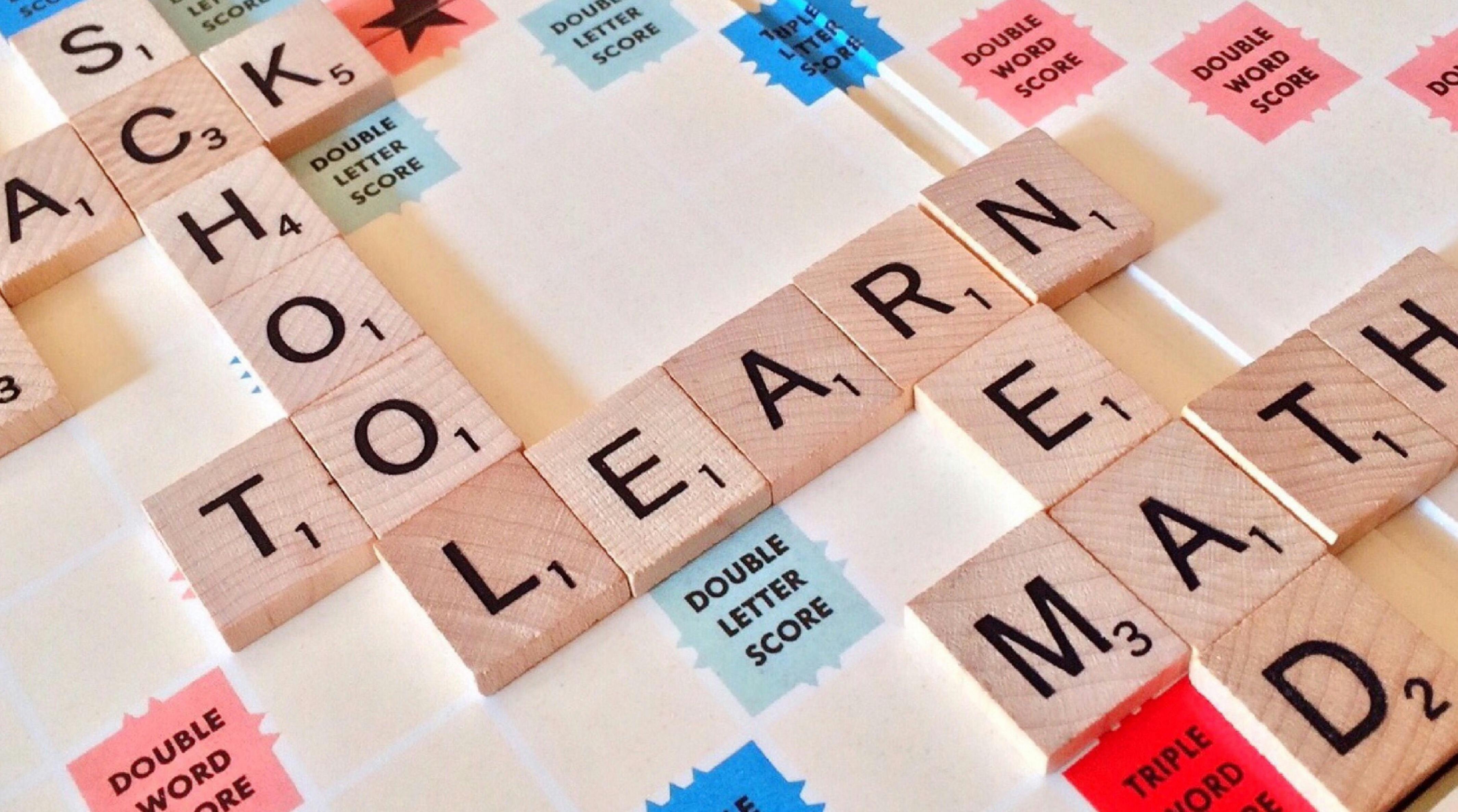
Trivia can make review playful, but middle school learning is bigger than recalling isolated facts. The most useful goal is to connect ideas, explain your reasoning, and discover what to investigate next.
Organize knowledge by big questions
Instead of memorizing random lists, group learning around questions. How do living systems survive? How do numbers describe change? Why do societies create laws? How does an author shape a reader’s response? Big questions provide hooks that help facts make sense.
Build a weekly review routine
- Collect notes and assignments from each subject.
- Write three key ideas from memory.
- Check for missing or incorrect details.
- Create one example, diagram, timeline, or practice problem.
- Mark one question to ask in class.
Keep sessions short and spaced. Review difficult material more often, but return to older topics so they remain available.
Turn trivia into deeper learning
After answering a fact question, add “How do we know?” and “Why does it matter?” A date in history leads to causes, perspectives, and consequences. A science term leads to an observation or experiment. A geography fact leads to climate, movement, language, or trade. A vocabulary word becomes useful when you use it in a clear sentence.
Study with others effectively
Take turns explaining concepts without notes. Ask follow-up questions rather than racing for points. Correct ideas respectfully and consult a reliable source when the group disagrees. Never mock someone for not knowing an answer; a safe group makes it easier for everyone to take intellectual risks.
Evaluate information
Check who created a source, when it was updated, and what evidence it provides. A polished video can still be wrong. Compare claims with textbooks, libraries, museums, universities, government science agencies, or guidance from teachers. Cite sources in projects so others can follow your evidence.
Protect curiosity
Keep a question notebook for things that do not fit the current lesson. Explore one question each week through reading, observation, or a safe experiment. Scores provide limited feedback; they do not define intelligence. The strongest middle school toolkit is a combination of consistent practice, good questions, reliable sources, and willingness to revise your thinking.