

Card Games for Kids: Easy Games, Clear Rules, and Good Sportsmanship
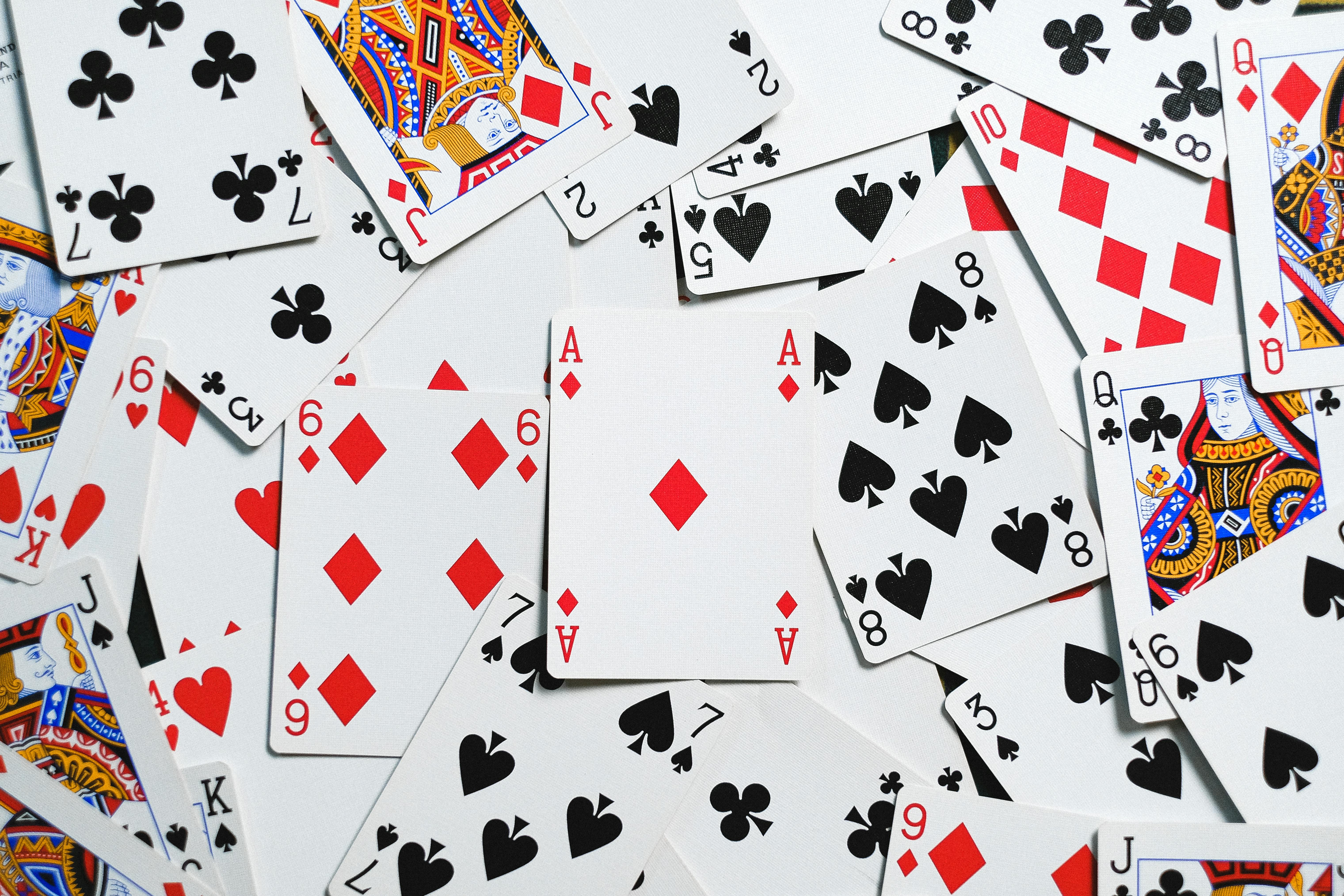
A standard deck can support quick games for two people or a full family table. Before playing, remove jokers unless the rules need them, choose a game that fits the youngest player, and agree what happens when a rule is unclear. Keep cards away from food and small children who may put objects in their mouths.
Go Fish
Players: 2–5. Goal: Collect sets of four cards with the same rank.
- Deal five cards to each player, or seven each for two players. Put the remaining deck face down.
- On your turn, ask one player for a rank already in your hand: “Do you have any sevens?”
- If they do, they give you all cards of that rank and you ask again. If not, they say “Go fish,” and you draw one card.
- Place each complete set of four face up. When no cards remain, the player with the most sets wins.
Crazy Eights
Players: 2–5. Goal: Be first to play every card in your hand.
- Deal five cards each and turn one card face up beside the draw pile.
- Play a card matching the top card’s suit or rank. An eight may be played at any time; name the suit that continues.
- If you cannot play, draw one card. Agree before starting whether you may play it immediately.
- The first player with no cards wins. Reshuffle discarded cards if the draw pile runs out.
Old Maid with a regular deck
Players: 3–6. Goal: Avoid holding the unmatched card.
- Remove one queen, then deal all remaining cards.
- Each player removes pairs of matching ranks from their hand.
- Taking turns, draw one hidden card from the player beside you and discard any new pair.
- Continue until all pairs are gone. The person with the unmatched queen is the “Old Maid.” Keep the ending lighthearted—no insults or embarrassing penalties.
War
Players: 2. Divide the deck face down. Each player reveals the top card; the higher rank takes both. If ranks tie, place three cards face down and one face up, if available; the higher new card takes the pile. Because this game can last a long time, set a 15-minute limit and count cards when time ends.
Make play welcoming
Teach with one open practice round and keep a rules note nearby. Let younger players hold fewer cards or use a card holder. Never use money, possessions, chores, food, or humiliating tasks as stakes. Players should be able to take breaks and leave without pressure.
Handle disagreements fairly
Pause, restate the agreed rule, and replay the turn if necessary. Rotate the dealer and congratulate useful choices, not only wins. Good sportsmanship means no peeking, card marking, gloating, or blaming. The real success is a table where everyone understands the game and wants to play again.