

A Healthy Confidence Guide for 10-Year-Old Girls
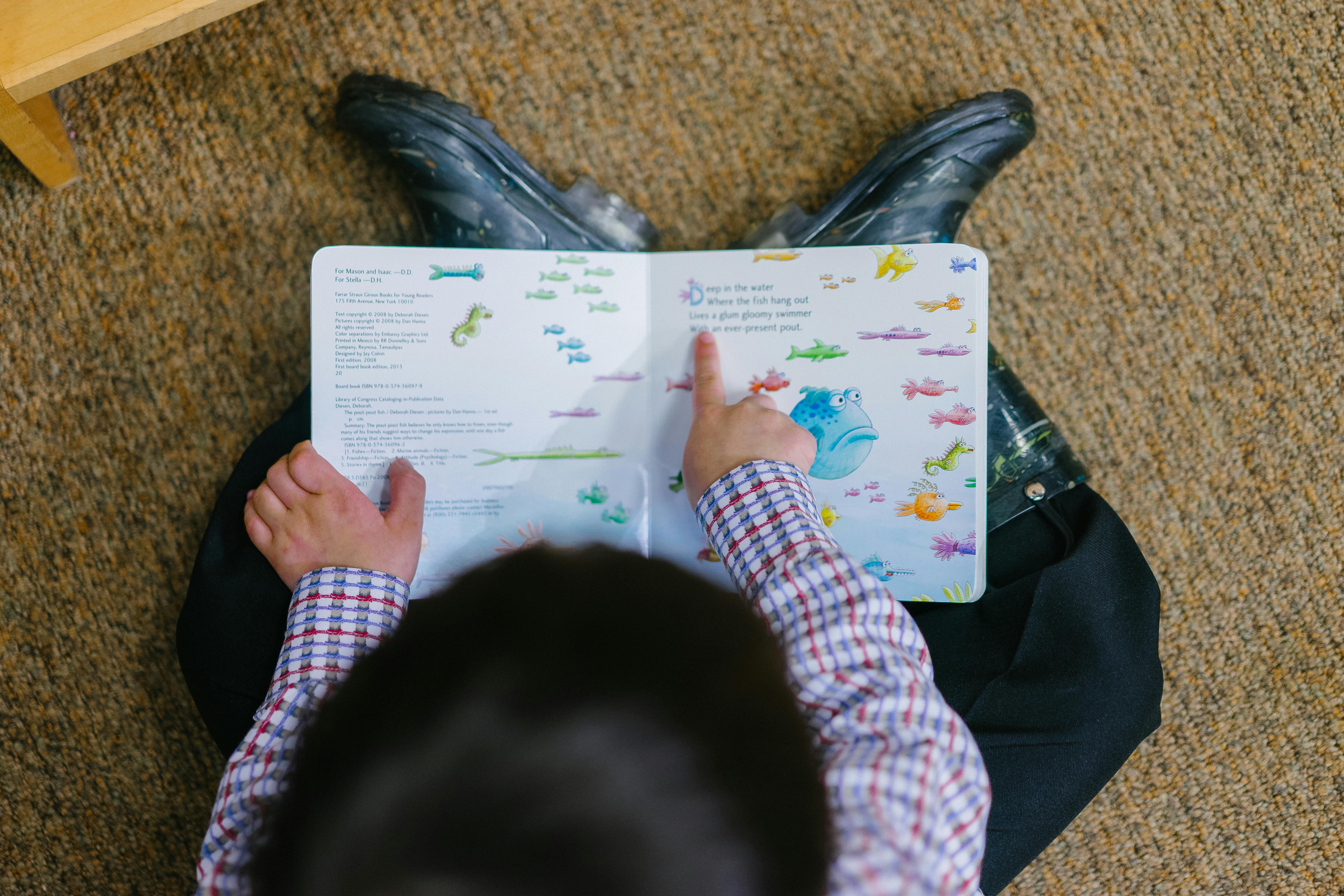
At age ten, you do not need to look older, wear makeup, or meet anyone’s idea of “pretty.” Your body and face are still growing. A better goal is to feel healthy, capable, clean, comfortable, and proud of how you treat people.
Take care of everyday needs
Brush your teeth morning and night, wash your hands, bathe or shower as needed, and put on clean underwear and socks. Ask a parent or caregiver for help choosing gentle products. You usually do not need complicated skin care. Sunscreen, weather-appropriate clothes, enough sleep, regular meals, and active play do far more for well-being than beauty trends.
Wear clothes that let you be a kid
Choose clothes that fit, feel comfortable, and work for school, play, and weather. Colors and styles are for everyone. You can enjoy sparkles, sportswear, dark colors, or all three. You never need to dress to impress strangers, and nobody should pressure you to wear something that makes you uncomfortable.
Grow confidence through skills
- Practice a hobby such as drawing, music, coding, reading, or sport.
- Help with an age-appropriate task at home.
- Ask questions when you do not understand.
- Notice effort and improvement rather than needing to be best.
Skills create lasting confidence because they show what you can learn and contribute.
Be a good friend to yourself and others
Speak to yourself as kindly as you would speak to a friend. Give compliments about effort, ideas, and character—not only appearance. Do not join jokes about bodies. If classmates compare looks, you can say, “Everyone is different,” and change the subject.
Stay safe online
Use apps only with caregiver permission. Do not share your location, school, private photos, or contact details with strangers. Filters and edited pictures are not fair comparisons. Tell a trusted adult about requests for secret chats, photos, or anything that feels confusing.
Talk about changes
Puberty may bring body odor, hair, skin changes, moods, or periods. These are normal, and a caregiver, doctor, or school nurse can answer questions. If anyone comments on your body, asks for pictures, or touches you in a way that feels wrong, move away and tell a trusted adult. Being healthy, curious, and kind matters much more than being “pretty.”